
Lophomyrtus Ralphii
Lophomyrtus xralphii (Hook. f.) Burret
Description
Growing requirements
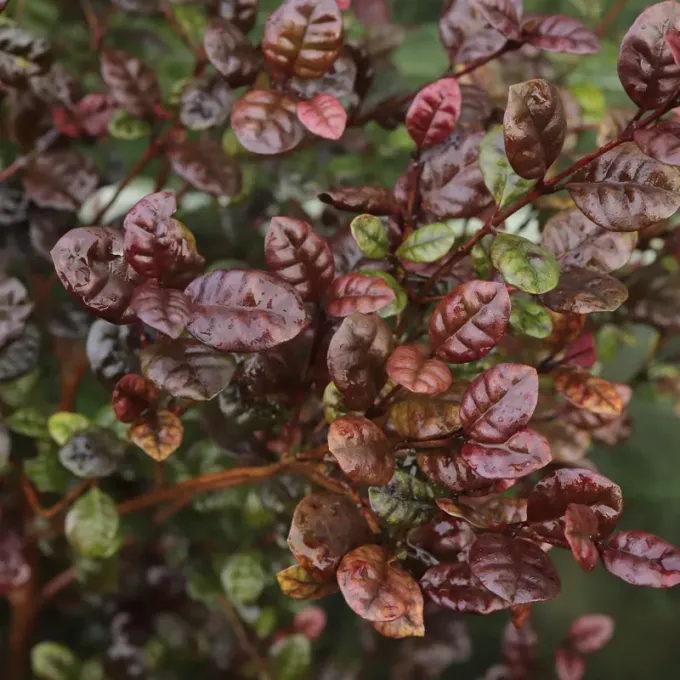
Lophomyrtus xralphii, a member of the Myrtaceae family, is a distinct evergreen shrub originating from New Zealand. It is a natural hybrid known for its attractive, small, glossy foliage and compact habit, making it a sought-after ornamental crop for gardens and interior landscaping.
This plant thrives in temperate climates with mild winters. In areas with frost, it must be grown in containers to ensure protection during the cold season, as it cannot withstand prolonged sub-zero temperatures without significant damage to its vegetative parts.
The ideal growing medium for this culture should be acidic to neutral, well-draining, and rich in organic matter. Proper soil structure is essential to prevent moisture accumulation, which can quickly lead to root oxygen deprivation and subsequent decay.
Light intensity plays a crucial role in the development of Lophomyrtus. While it enjoys bright conditions, it is sensitive to intense midday sun, which can scorch its leaves. A location with morning sun and afternoon shade is optimal for maintaining vibrant foliage color.
Cultural practices involve moderate irrigation and controlled fertilization. During the growing season, a balanced liquid fertilizer applied monthly is sufficient to support healthy growth and the development of its characteristic dense canopy structure.
Main diseases and pests
Common pests include scale insects and mealybugs, which are particularly prevalent in greenhouse environments. These pests reside on the underside of leaves and stems, requiring immediate treatment with horticultural oils or specific insecticides to manage outbreaks.
Fungal pathogens such as leaf spot are the most frequent diseases encountered by growers. These usually develop when leaf surfaces remain damp for extended periods, highlighting the need for efficient air circulation and reduced overhead watering.
Spider mites are a significant concern during the winter months when indoor heating lowers ambient humidity. Keeping the relative humidity levels stable and occasionally misting the foliage can help deter these infestations effectively.
Root rot is a critical threat often caused by improper watering techniques. Growers should ensure that the pots have large drainage holes and that the growing medium is allowed to partially dry out between each irrigation cycle.
Sanitation is a vital aspect of pest management. Removing fallen leaves from the soil surface and pruning away infected branches promptly prevents the spread of pathogens throughout the nursery environment.