
Lophomyrtus obcordata
Lophomyrtus obcordata (Raoul) Burret
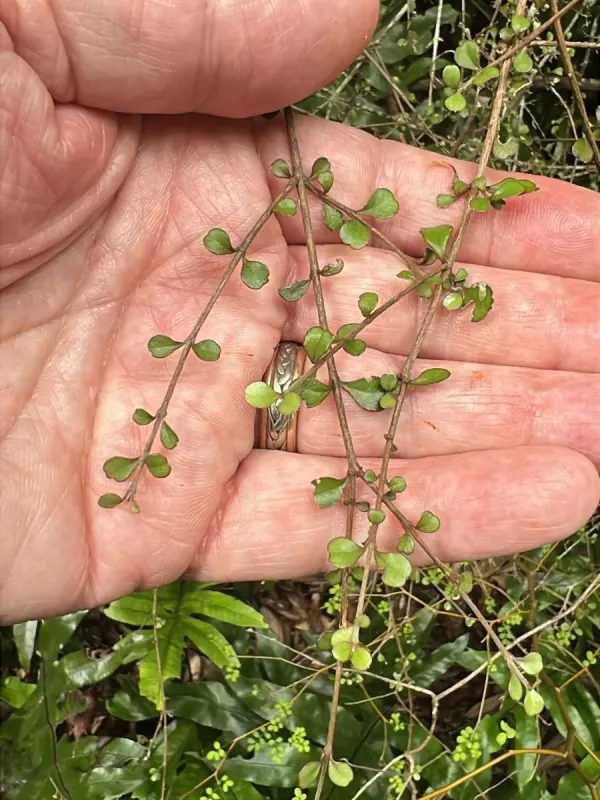
Description
Sowing dates
Propagation of Lophomyrtus obcordata is primarily achieved through stem cuttings. Semi-hardwood cuttings taken in late summer offer the best chance of successful rooting when handled in a controlled environment.
For seed propagation, it is necessary to use fresh seeds sown in well-draining, sterile potting media. Germination can be slow and requires stable warmth to ensure high rates of seedling emergence.
Cuttings should be placed in a humid environment, such as a propagation box, with indirect light. Maintaining a consistent temperature of around 20-22 degrees Celsius is crucial for root development.
Once established, the young plants should be moved to larger pots with a nutrient-rich, free-draining substrate. Regular pinching of the tips is recommended to encourage bushiness and a more compact growth habit.
Spring is the ideal time to transplant the shrubs into their permanent location, provided the danger of frost has passed. This allows the root system to settle before the heat of mid-summer sets in.
Growing requirements
Native to New Zealand, this shrub thrives in temperate climates. It prefers a sunny position but requires shelter from harsh, drying winds and strong afternoon sun, which can scorch the delicate foliage.
The soil must be slightly acidic or neutral, highly fertile, and must possess excellent drainage. Being a member of the Myrtaceae family, it does not tolerate waterlogged conditions that lead to root asphyxiation.
Consistent moisture is key; the soil should never be allowed to dry out completely, nor should it remain saturated. Mulching around the base helps maintain an even soil moisture level throughout the summer.
Feeding should be carried out using a balanced fertilizer during the growing season. Excessive nitrogen should be avoided in late summer to ensure that new growth hardens off before the onset of winter.
In cooler regions, the plant is best grown in containers, allowing it to be moved to a protected location during winter months to avoid frost damage which can be fatal to the plant.
Yield
The primary use for Lophomyrtus obcordata is in ornamental landscaping. Its small, heart-shaped leaves and dense habit make it an excellent choice for formal hedging and architectural topiary work.
In garden design, it serves as a versatile evergreen shrub. It can be planted as a standalone feature or in mixed borders, contributing to a year-round structural interest in the garden landscape.
The foliage is highly valued in the cut-flower industry, as it pairs well with various floral arrangements, providing a delicate and refined texture that lasts long after cutting.
The plant has a moderate growth rate, which allows for manageable maintenance. Its ability to withstand frequent pruning makes it an ideal candidate for tight, formal box-like shapes or soft-edged mounds.
While not a major commercial agricultural crop, the species is an important element in native New Zealand restoration projects, providing shelter and habitat for local bird species and beneficial insects.
Main diseases and pests
Myrtle rust (Austropuccinia psidii) is the most significant threat to this species. It is a highly contagious fungal disease that attacks young shoots and leaves, necessitating vigilant monitoring and preventative treatment.
Scale insects and mealybugs are common pests that can infest the stems and undersides of leaves. Early detection and the use of insecticidal soaps or neem oil are effective methods for controlling these infestations.
Root rot, often caused by poor drainage or overwatering, is a frequent issue in container-grown plants. Ensuring a proper potting mix and avoiding water accumulation in the drainage saucer is vital for plant health.
Fungal leaf spots can occur during periods of high humidity and poor airflow. Increasing spacing between plants and ensuring good air circulation is a simple yet effective preventative measure.
Frost damage represents a major environmental threat to the plant in non-native climates. Protecting the root zone with heavy mulch and covering the canopy during frost events is essential for winter survival.