
Lonicera villosa
Lonicera villosa
Description
Growing requirements
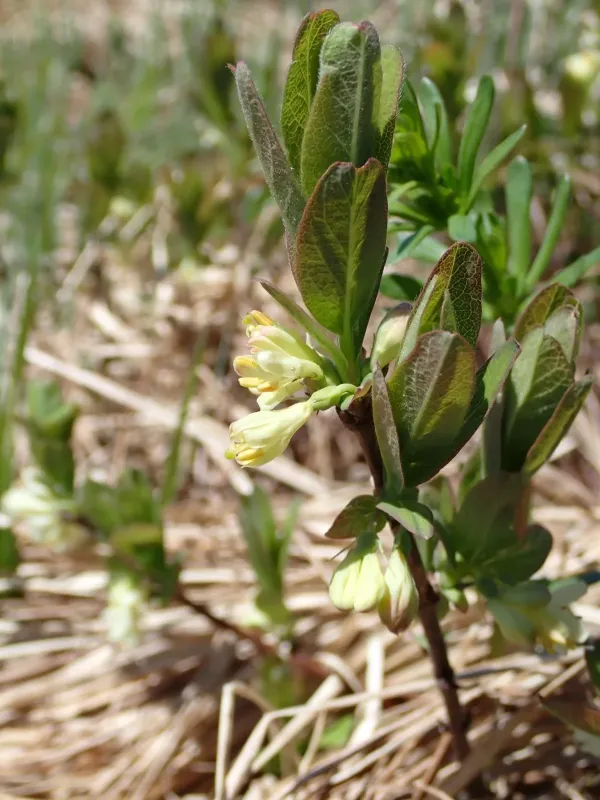
Lonicera villosa, commonly known as hairy honeysuckle, is a deciduous shrub belonging to the Caprifoliaceae family. It is characterized by the presence of fine hairs on its foliage and stems, a feature that distinguishes it from many other species in the genus.
The plant originates from the northern regions of Eurasia and North America, where it thrives in cool, moist habitats such as bogs and damp forests. Its evolutionary adaptation to harsh environments makes it remarkably hardy against extreme cold.
Optimal growth requires acidic or slightly acidic soils with high organic matter content. The root system is relatively shallow and thrives in moisture-retentive soils, meaning that consistent irrigation is necessary during dry spells to prevent plant stress.
Exposure to full sun is generally preferred, although the plant can tolerate partial shade, particularly in areas with intense summer heat. It is vital to avoid planting in heavy, clay-based soils that lack proper drainage, as these can lead to root rot.
Cultural practices should involve the use of organic mulch, such as wood chips or peat, to maintain soil temperature and humidity. Fertilization should be light, focusing on slow-release organic nutrients to avoid stimulating excessive vegetative growth at the expense of fruit production.
Yield
Lonicera villosa is cultivated for its edible berries, which contain high levels of anthocyanins and vitamin C. While the fruit has a distinct flavor, it is highly valued for its health-promoting properties and potential use in the food processing industry.
Yield stability is heavily dependent on cross-pollination. Because the plant is typically self-sterile, growers must establish blocks consisting of at least two or three different compatible genotypes to ensure successful fertilization and fruit set.
The plants begin to produce fruit by the third or fourth year, reaching peak production between the fifth and eighth years. Proper pruning is essential to remove unproductive wood and encourage the growth of vigorous, fruit-bearing canes.
Management of canopy density is crucial for maximizing light penetration, which in turn enhances the sugar content of the berries. Regular thinning of the branches helps in maintaining the health of the plant and facilitating easier harvesting.
Harvesting is performed manually or with specialized small-scale equipment once the berries reach full maturity. Because of the delicate nature of the fruit, careful handling is required to prevent bruising and to maintain post-harvest quality for consumers.
Main diseases and pests
Powdery mildew is the most prevalent fungal disease affecting hairy honeysuckle, particularly in humid climates. It manifests as a white, dusty layer on leaves, which can severely hinder the plant's ability to photosynthesize effectively.
Leaf spot diseases caused by fungi such as Ramularia can appear during wet seasons. Control measures involve strict sanitation, including the removal of infected foliage, and the application of appropriate fungicides when necessary, following local regulations.
Aphids are the primary insect pests, frequently attacking the tender tips of shoots. Early detection and treatment with insecticidal soaps or biological controls are recommended to prevent population outbreaks that could stunt overall plant development.
Leafrollers can also pose a risk by damaging terminal buds and leaves. Monitoring for the presence of these larvae during the spring and summer is recommended to ensure that their activity does not negatively impact the total berry yield of the plantation.
Root rot, frequently induced by poor drainage, remains a significant threat. Ensuring that the planting site has excellent water permeability is the most effective preventative measure against these soil-borne pathogens that thrive in waterlogged conditions.