
Lonicera tellmanniana
Lonicera tellmanniana
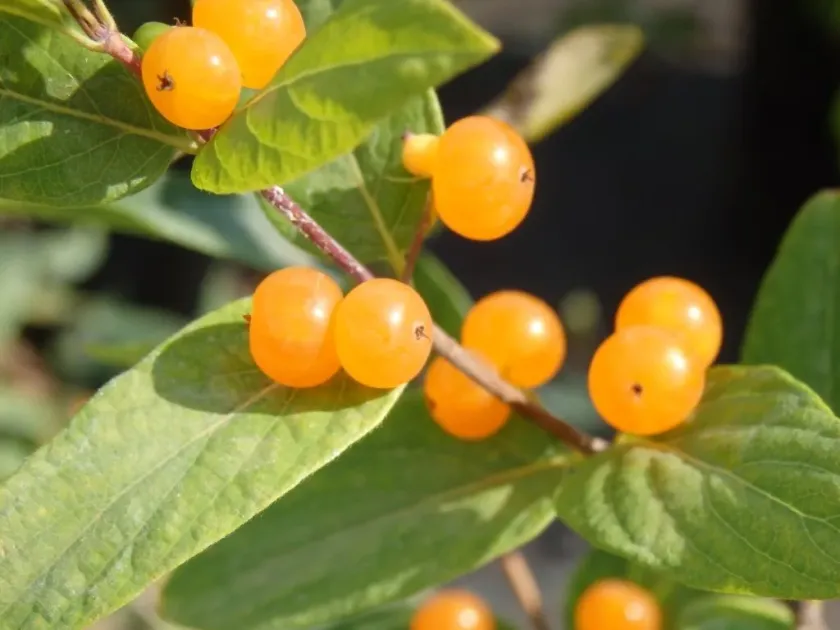
Description
Growing requirements
Lonicera tellmanniana, known commonly as Tellmann's honeysuckle, is a vigorous hybrid climbing vine belonging to the Caprifoliaceae family. It is a cross between Lonicera sempervirens and Lonicera tragophylla, celebrated for its structural beauty.
The plant features lush, ovate, deciduous leaves and produces clusters of tubular, golden-yellow to orange flowers during late spring and early summer. It can reach considerable heights, making it an excellent choice for vertical garden architecture.
This species thrives in locations with full sun to partial shade, provided it receives sufficient moisture. It prefers deep, humus-rich, well-drained soil with a slightly acidic to neutral pH level to ensure optimal root development and nutrient uptake.
Proper agronomic care involves providing sturdy trellis systems or fences for the vine to climb. Consistent watering, especially during dry spells, and mulching the base of the plant help to retain soil moisture and keep roots cool.
In landscaping, it is widely utilized to cover walls, pergolas, and arbors. Its rapid growth rate and ability to create a dense screen make it highly effective for providing privacy and enhancing the aesthetic appeal of outdoor living spaces.
Main diseases and pests
While relatively robust, Lonicera tellmanniana can be susceptible to powdery mildew, especially in environments with high humidity or poor air circulation within the foliage canopy. This manifests as white dust on the leaves.
Aphids are the most common insect pests that attack new growth and developing flower buds, leading to stunted or distorted foliage. In hot and dry climates, spider mites may also become an issue for the plant.
Good cultural practices, such as annual thinning and pruning, are essential to maintain air movement and reduce the incidence of fungal pathogens, ensuring the health and longevity of the honeysuckle vine.
When chemical control is necessary, integrated pest management strategies should be employed. It is advisable to use targeted insecticides and fungicides to minimize damage to beneficial pollinators visiting the flowers.
Regular monitoring of the vine during the growing season allows for early detection of potential threats, ensuring that localized treatments can be applied before infestations or infections become widespread.