
Tangut honeysuckle
Lonicera tangutica
Description
Growing requirements
Tangut honeysuckle (Lonicera tangutica) is a deciduous shrub belonging to the Caprifoliaceae family. Native to the high-altitude regions of China, this species has evolved to thrive in harsh environments, demonstrating remarkable cold tolerance and adaptability.
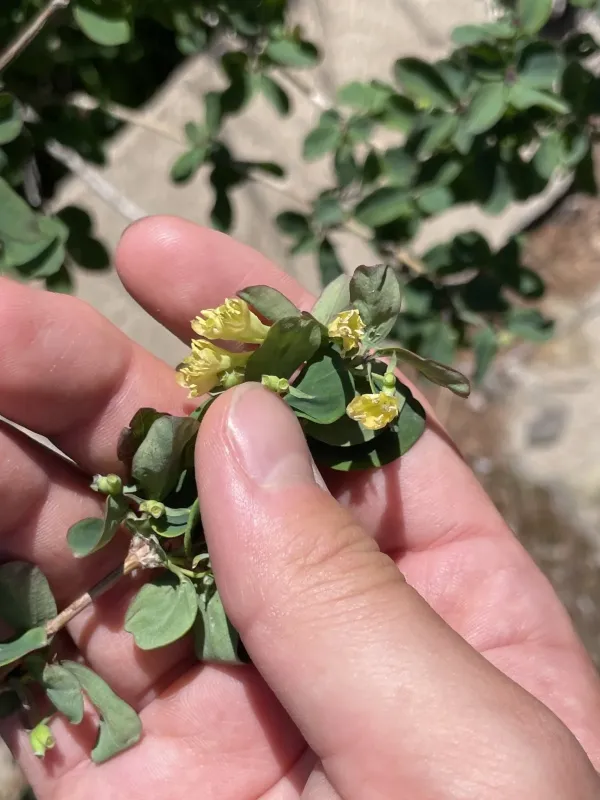
The plant grows as a dense, heavily branched shrub, typically reaching a height of one to two meters. Its botanical characteristics include small, lanceolate leaves and bright red or orange berries, which provide significant aesthetic value to the garden during the ripening season.
In terms of climatic requirements, this species is exceptionally hardy. It performs best in regions with cool to moderate climates, being able to withstand strong winds and freezing temperatures that would be detrimental to less resilient ornamental species.
Regarding soil, Lonicera tangutica prefers well-drained loam but is highly adaptable to various soil types, including rocky or poor substrates. It is essential to avoid sites with standing water, as the roots are sensitive to prolonged anaerobic conditions that often lead to rot.
The primary horticultural application of Tangut honeysuckle is in landscape architecture. Its ability to tolerate shearing and its compact growth habit make it an excellent choice for informal hedges, shrub borders, and rock gardens where a sturdy, low-maintenance plant is required.
Main diseases and pests
This shrub is characterized by its high resistance to common honeysuckle diseases. However, in poorly ventilated environments or during periods of excessive humidity, powdery mildew may occasionally manifest on the foliage, requiring standard horticultural intervention.
Pests such as aphids and leaf rollers may occasionally target the succulent new growth of the plant. A proactive approach, including manual inspection and pruning of affected branches, typically keeps these minor infestations under control without the need for intensive chemical use.