
Ruprecht's honeysuckle
Lonicera ruprechtiana
Description
Growing requirements
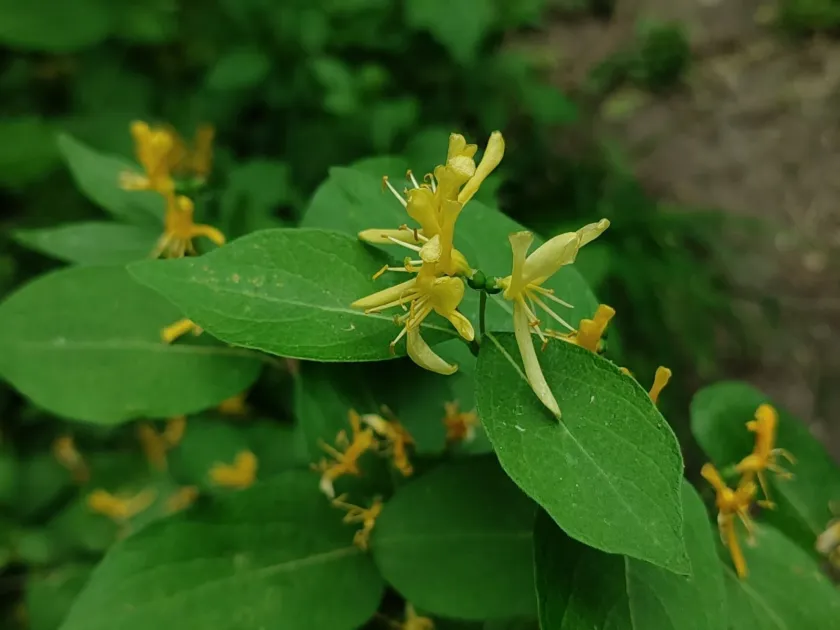
Ruprecht's honeysuckle (Lonicera ruprechtiana) is a deciduous shrub that belongs to the Caprifoliaceae family. It is known for its spreading habit and can reach heights of up to three meters, making it a robust addition to any landscape.
The species originates from East Asia, specifically from the Russian Far East, Northeast China, and Korea. In its native habitat, it thrives in river valleys, forest edges, and rocky slopes, indicating a preference for diverse environments.
This shrub is highly valued for its cold hardiness, allowing it to withstand severe winter temperatures. It prefers full sun to partial shade, which makes it versatile for various garden designs and regional climates.
The plant grows best in fertile, well-drained loamy soils. While it is adaptable to different soil types, consistent moisture during the growing season is crucial for optimal health, though it should not be subjected to waterlogged conditions.
Economically and ecologically, it serves as an excellent nectar source for pollinators and provides nesting habitats for birds. In cultivation, it is often utilized for hedge formation or as an ornamental plant in public green spaces.
Main diseases and pests
Like many members of the honeysuckle family, it is susceptible to powdery mildew, especially in regions with high humidity or poor air circulation. Proper pruning is essential to ensure that light and air reach the center of the shrub.
Aphids are the most common insect pests that infest the foliage of Lonicera ruprechtiana. They can cause leaf curling and stunt growth, necessitating early detection and intervention to maintain plant vigor.
Effective management includes regular monitoring and the use of horticultural oils or systemic insecticides when infestation levels exceed the economic threshold. Preventive measures are always more effective than reactive treatments.
Fungal infections can be mitigated by avoiding overhead irrigation, which keeps the foliage dry and prevents the spread of spores. Sanitation practices, such as clearing debris under the shrub, are also highly recommended.
By providing adequate space between plantings, gardeners can significantly reduce the risk of cross-infection among shrubs. A healthy, well-maintained plant is naturally more resistant to pest and disease pressure over time.