
Small-leaved honeysuckle
Lonicera microphylla
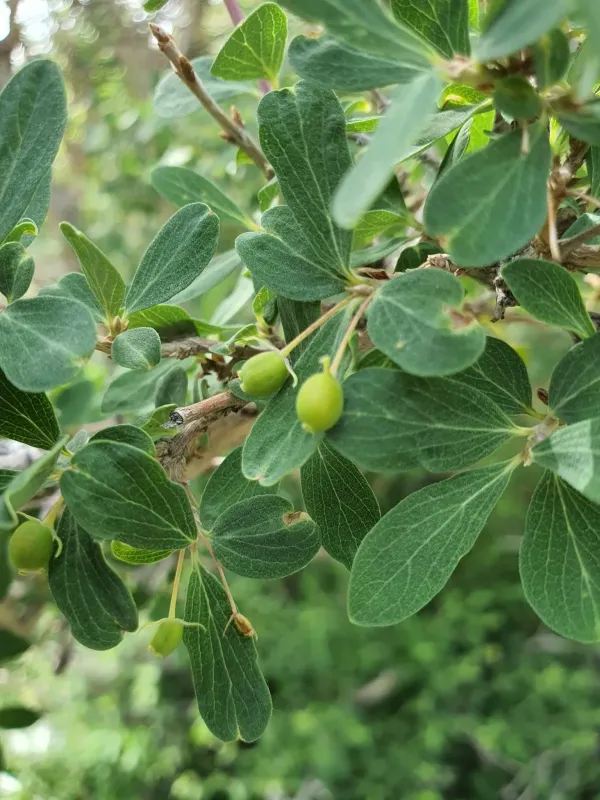
Description
Growing requirements
The small-leaved honeysuckle (Lonicera microphylla) is a perennial shrub belonging to the Caprifoliaceae family. It is native to the rugged mountainous terrains of Central Asia and Siberia, where it has evolved to thrive in harsh, rocky environments.
This shrub is highly regarded for its exceptional cold tolerance, making it suitable for regions with long and severe winters. It demonstrates significant resilience to fluctuating temperatures and poor soil conditions, provided the site is well-drained.
In terms of soil requirements, the species prefers neutral to slightly alkaline substrates. While it can survive on rocky soils, incorporating organic matter into the planting hole can significantly improve initial establishment and growth rates.
Exposure to full sunlight is critical for the development of a dense and healthy canopy. Although it can tolerate partial shade, insufficient light often results in elongated, weak stems and reduced vegetative vigor.
Agronomic management involves periodic pruning to maintain plant shape and density. Regular monitoring of soil moisture is necessary during the first few growing seasons until the root system is fully established.
Main diseases and pests
The small-leaved honeysuckle is occasionally prone to aphid infestations. These pests primarily attack new growth, leading to curled leaves and the potential transmission of viral diseases within the plantation.
Leaf-feeding insects, such as caterpillars of various moths, can cause aesthetic damage and reduce the plant's overall energy reserves. Early detection via visual inspection is the most effective management strategy.
Powdery mildew represents a common fungal threat, characterized by a white, flour-like coating on leaves. It is most prevalent in environments with high humidity and stagnant air circulation around the foliage.
Proactive management includes ensuring adequate spacing between shrubs to promote airflow and removing any dead or diseased wood. Sanitation remains the cornerstone of disease prevention for this species.
When chemical intervention is necessary, the use of targeted insecticides or fungicides should be prioritized to minimize the impact on beneficial insects, such as pollinators, which often visit honeysuckle flowers.