
Lonicera gymnochlamydea
Lonicera gymnochlamydea
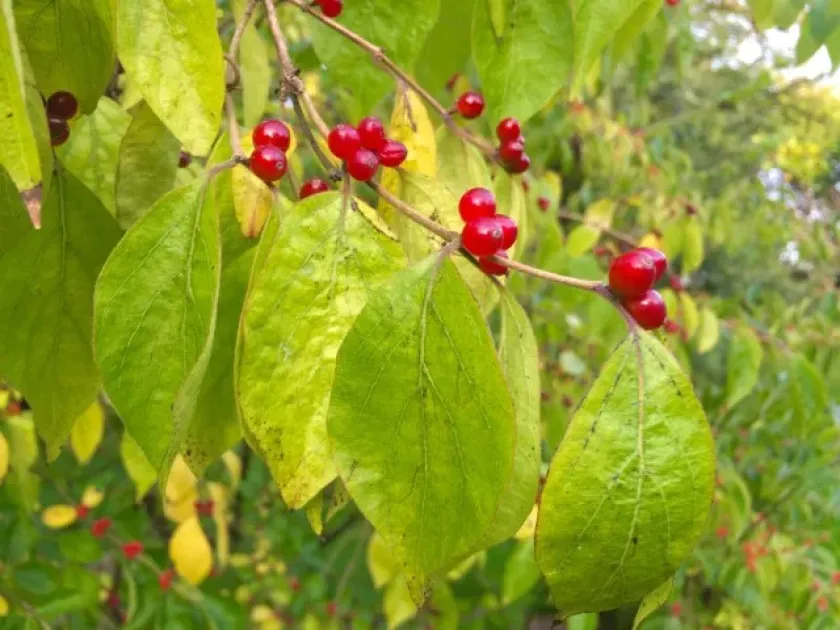
Description
Growing requirements
Lonicera gymnochlamydea is a deciduous shrub species belonging to the Caprifoliaceae family. Native to the mountainous regions of Central Asia, this plant has adapted to survive in diverse slopes and valley habitats, where it thrives in specific ecological conditions typical of its natural range.
When cultivating this crop, one must ensure a site with well-drained soil, preferably loamy or sandy. The plant shows moderate sensitivity to waterlogged conditions; therefore, providing an effective drainage system is essential. Exposure to bright, indirect sunlight is preferred for optimal growth, although the species can tolerate partial shade.
The plant is known for its high hardiness, making it suitable for regions with cold winters. Proper cultivation involves maintaining consistent soil moisture levels throughout the growing season. While it is not overly demanding, regular maintenance, including soil aeration and weed control around the base, significantly improves the overall vigor of the shrub.
Agricultural techniques include a balanced fertilization program. Nitrogen-rich fertilizers are recommended during the early spring to promote vegetative growth, while phosphorus and potassium applications in the fall help the plant prepare for dormancy. Consistent pruning is also necessary to maintain its structural form and aesthetic appeal.
In terms of practical use, Lonicera gymnochlamydea is primarily valued for its ornamental contribution to landscaping. It is frequently employed in designing mixed hedges, specimen plantings, or as part of larger shrub borders in public parks and private gardens, providing structure and seasonal beauty throughout the year.
Main diseases and pests
Like many species in the Lonicera genus, Lonicera gymnochlamydea can be susceptible to fungal issues such as powdery mildew. Proper plant spacing and adequate airflow around the canopy are the most effective preventive measures to minimize the risk of infection.
Pest pressures often involve infestations by aphids or leaf-feeding insects during the spring flush. Monitoring the plant during these periods and utilizing environmentally friendly pest control methods ensures that the foliage remains healthy and visually appealing throughout the season.