
Arizona honeysuckle
Lonicera arizonica
Description
Growing requirements
Arizona honeysuckle (Lonicera arizonica) is a member of the Caprifoliaceae family, native to the mountainous regions of the southwestern United States, particularly Arizona and New Mexico. It is a hardy, deciduous to semi-evergreen shrub adapted to high-altitude ecosystems.
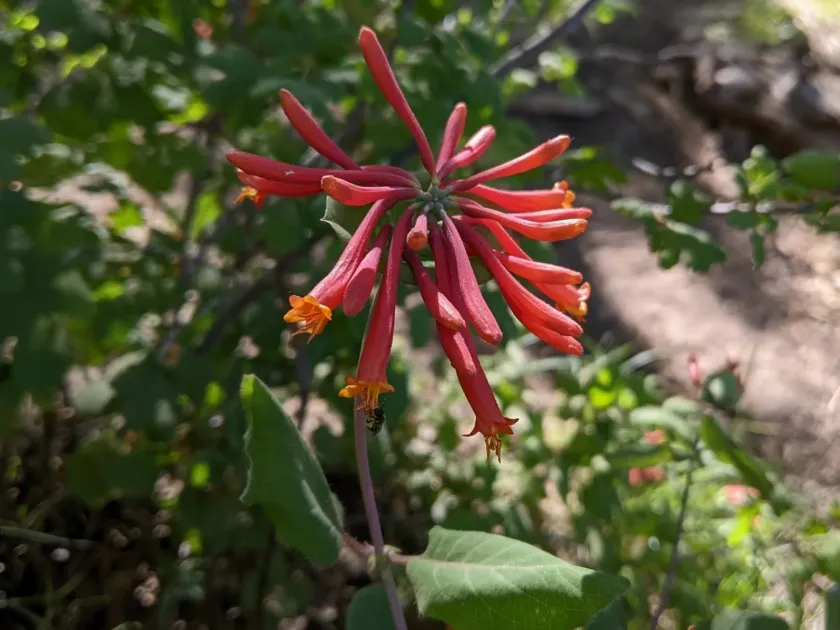
Botanically, the species is distinguished by its tubular, colorful flowers that emerge on slender branches. In its natural habitat, it thrives in shaded or semi-shaded rocky slopes, often found in mixed conifer forests where the microclimate remains cool and stable.
For cultivation, this plant requires well-draining soil that is rich in organic matter. It prefers a location with protection from harsh afternoon sun, as excessive heat can lead to stress and reduced flowering potential for the shrub.
Water requirements are moderate, with the plant needing steady moisture during the active growing season. However, it is essential to allow the soil to breathe between waterings to prevent the roots from becoming waterlogged.
In landscaping, Arizona honeysuckle serves as a vital component for pollinator-friendly gardens. Its ability to attract hummingbirds makes it a popular choice for native plant enthusiasts aiming to restore natural habitat corridors.
Main diseases and pests
The primary threats to Lonicera arizonica in a garden setting involve root pathogens induced by improper drainage. Ensuring that the planting site has adequate slope or gravel layers is crucial for long-term health.
Aphids are the most common insect pests, typically clustering on tender new growth. Integrated pest management, such as encouraging natural predators like ladybugs, is highly effective for this particular species.
Powdery mildew can impact the foliage during periods of high humidity and poor air circulation. Proper spacing between individual plants is necessary to reduce the likelihood of fungal outbreaks during the season.
Leaf-feeding beetles can occasionally cause cosmetic damage to the leaves. Regular inspection during the spring and early summer allows for manual removal or early intervention before the infestation becomes severe.
Maintaining a healthy, stress-free plant through proper mulching and balanced fertilization helps the Arizona honeysuckle develop a robust immune system against common environmental stressors.