
Summer snowflake
Leucojum aestivum L.
Description
Sowing dates
Bulbs are typically planted in late summer or early autumn, ideally between August and September. This allows the roots to establish well before the ground freezes in the winter months.
The planting depth should be approximately 10 to 15 centimeters. When planting in groups, a spacing of 15 to 20 centimeters between bulbs ensures adequate nutrient uptake and prevents competition for space as the bulbs multiply.
Vegetative propagation via bulb division is the most effective way to multiply the stock. Bulbs should be divided and replanted every five to seven years to ensure the vigor of the colony.
While seed propagation is possible, it is not recommended for immediate results. Seeds should be sown immediately after harvesting; however, the resulting plants will typically take five to six years to reach maturity and produce their first blooms.
Once the foliage has withered after the flowering period, the bulbs enter a dormant phase. During this time, it is vital to reduce watering to prevent rot, especially in poorly drained soil conditions.
Growing requirements
Summer snowflake (Leucojum aestivum L.) is a perennial bulbous plant belonging to the Amaryllidaceae family. Native to Europe and parts of Asia, this plant naturally thrives in wet meadows, floodplains, and riverbanks.
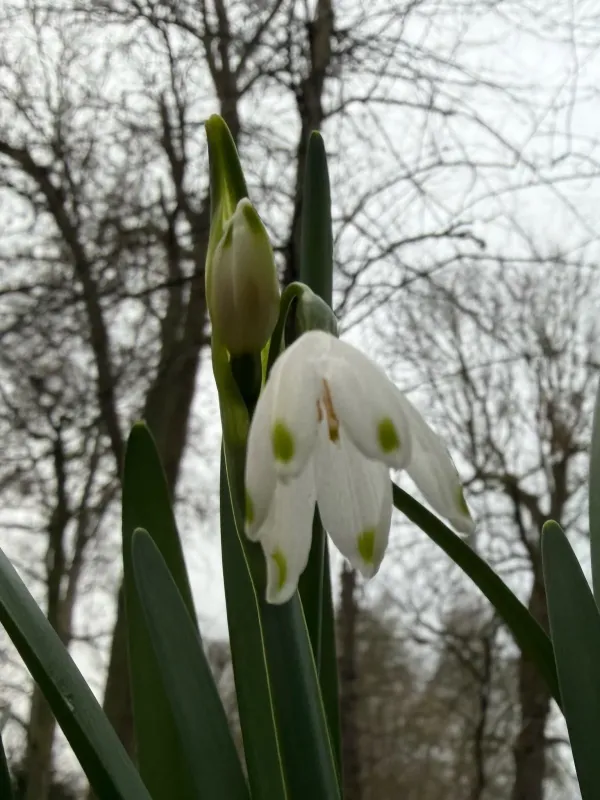
Botanically, it is distinguished by its linear, strap-like leaves and hollow stems that support clusters of drooping, bell-shaped white flowers with distinctive green spots on the petal tips.
This species requires moist, fertile, and humus-rich soil to perform optimally. It is particularly sensitive to drought, making consistent soil moisture a critical factor in successful cultivation.
The plant is highly frost-hardy, although it benefits from a layer of organic mulch during harsh winters to protect the bulbs from extreme temperature fluctuations in regions without persistent snow cover.
In terms of usage, the Summer snowflake is primarily valued as an ornamental crop in landscape design. It is frequently planted in semi-shaded areas, woodland gardens, and along the margins of ponds to enhance the naturalistic appeal of the landscape.
Main diseases and pests
Fungal diseases, specifically gray mold and Fusarium rot, pose the greatest threat to Summer snowflakes. These infections are often exacerbated by poor drainage and excessive soil moisture during the dormant period.
Common pests include the narcissus bulb fly and various types of soil-dwelling nematodes. Infestations can severely weaken the plant, leading to yellowing leaves and reduced flowering in the subsequent season.
Integrated pest management, including the use of fungicide-treated planting material and the removal of garden debris, is essential for maintaining a healthy and disease-free colony.
Effective sanitation practices, such as controlling weed populations and ensuring proper aeration around the base of the plants, are crucial to prevent the spread of soil-borne pathogens.
If any plants appear sickly or show signs of stunted growth, they should be carefully lifted and removed from the bed along with the surrounding soil to avoid potential contamination of neighboring healthy plants.