
Lockhartia oerstedii
Lockhartia oerstedii
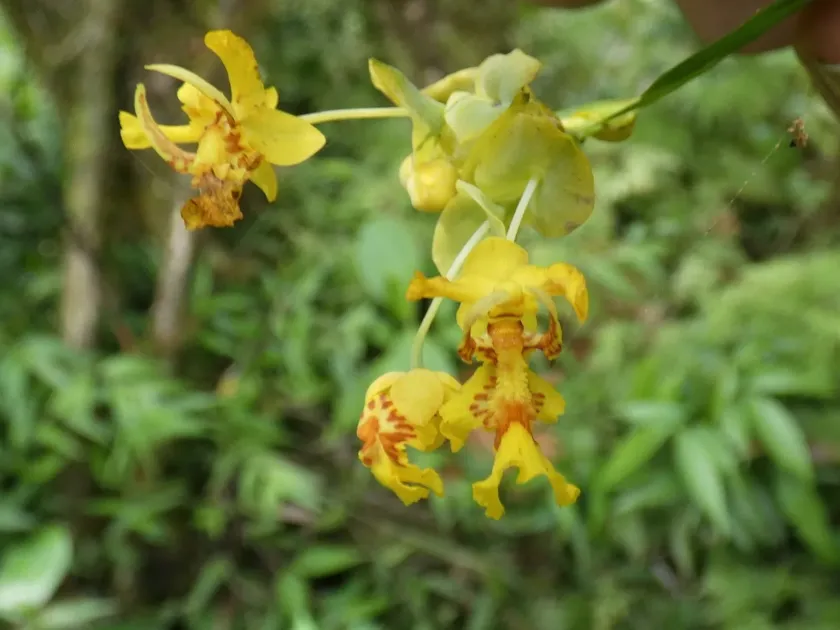
Description
Growing requirements
Lockhartia oerstedii is a distinct epiphytic orchid species belonging to the Orchidaceae family, native to the tropical forests of Central and South America. It is characterized by its unique "braided" leaf arrangement, where leaves overlap tightly along the stem, creating a striking architectural appearance.
The plant thrives in high-humidity environments, ideally between 70% and 80%. As an epiphyte, it requires significant airflow to prevent moisture from becoming stagnant, which is critical for maintaining healthy root systems in a controlled environment like a greenhouse or a home collection.
For optimal growth, use a loose, well-draining substrate composed primarily of medium-grade pine bark, charcoal, and a small amount of sphagnum moss. This structure ensures that the roots have adequate oxygenation, which is vital for preventing the root rot commonly associated with terrestrial soil mixes.
Bright, indirect light is essential for the healthy development of Lockhartia oerstedii. While it needs intense light to trigger flowering, direct exposure to midday sun will quickly scorch its delicate leaves, necessitating the use of sheer curtains or shading cloth in brighter settings.
Temperature management should mimic its native montane habitats, typically requiring a range of 18–24°C during the day and a cooler 14–16°C at night. This diurnal temperature fluctuation is a biological trigger for blooming and helps the plant maintain a strong, compact growth habit.
Main diseases and pests
Common pests that target this species include spider mites and mealybugs. Because of the plant's dense, overlapping leaf structure, these pests can easily hide in inaccessible crevices, making early detection and manual inspection of the leaf axils extremely important.
Fungal and bacterial infections are the most significant threats to the plant's survival, often triggered by excessive moisture coupled with poor ventilation. When water gets trapped in the leaf axils, it creates a breeding ground for pathogens that can cause rapid tissue decay.
Integrated Pest Management (IPM) is recommended to control infestations. Using systemic insecticides or horticultural oils applied directly to the affected areas can mitigate pest damage, provided the plant is kept in a dry, well-ventilated space immediately after application.
If rot is detected, affected tissue must be surgically removed using sterilized tools, followed by the application of a fungicide. The plant should then be kept slightly drier than usual to allow the wounds to heal properly and prevent further spread of the infection.
Nutrient deficiency or toxicity can also manifest as leaf yellowing or stunted growth. To keep the plant healthy, utilize a balanced, orchid-specific liquid fertilizer applied at half-strength during the growing season, ensuring that the substrate is flushed with water periodically to prevent salt buildup.