
Lockhartia goyazensis
Lockhartia goyazensis
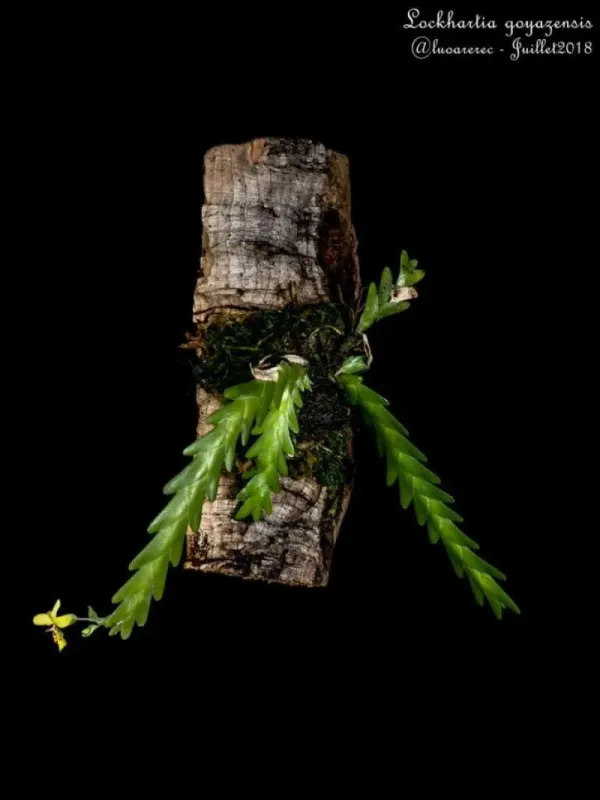
Description
Growing requirements
Lockhartia goyazensis is an intriguing species of epiphytic orchid, belonging to the Orchidaceae family. Native to the Brazilian state of Goiás, this plant naturally thrives in the humid conditions of tropical forests, where it primarily grows on tree trunks as an epiphyte.
For successful cultivation, the plant requires high relative humidity levels, ideally maintained between 60% and 75%. Providing a bright, filtered light environment is essential for photosynthesis without exposing the foliage to the damaging effects of direct, harsh sun rays.
The temperature should remain consistently warm, ranging from 18°C to 26°C throughout the year. Mimicking the native tropical environment involves ensuring that these temperatures remain stable, as significant fluctuations can negatively impact the health and blooming potential of the orchid.
An airy, well-draining substrate is a critical requirement for this species. A mixture of pine bark, charcoal, and sphagnum moss provides the necessary aeration for the delicate root system, allowing it to dry out moderately between waterings to prevent root decay.
Routine fertilizing should be executed during the active growth period using a diluted orchid-specific fertilizer. It is highly recommended to leach the substrate occasionally with pure water to remove residual mineral salts and keep the growing medium healthy.
Main diseases and pests
Common pests affecting Lockhartia goyazensis include mealybugs, spider mites, and scale insects. These pests often proliferate when the ambient humidity is too low or when the plant is stressed, necessitating consistent monitoring of the leaf axils for early detection.
Fungal rot remains the most significant threat to the survival of the plant, often resulting from improper watering schedules or poor ventilation. If the substrate remains saturated for too long, the roots will suffer from oxygen starvation and subsequently rot.
Bacterial soft rot can occur if water is trapped in the leaf crowns for extended periods. To mitigate this risk, watering should always be applied directly to the substrate, and any water splashing onto the foliage should be wiped away immediately.
In addition to pathogens, salt buildup from hard water can cause damage to the fine root hairs of the orchid. Using rain water or reverse osmosis water is strongly advised to prevent nutrient lockout and root tissue damage over long-term cultivation.
If a systemic infection or infestation is identified, immediate isolation of the affected specimen is necessary to protect other plants. Implementing strict hygiene standards for potting tools and containers will significantly reduce the risk of disease transmission within the collection.