
Lobelia nicotianifolia
Lobelia nicotianifolia
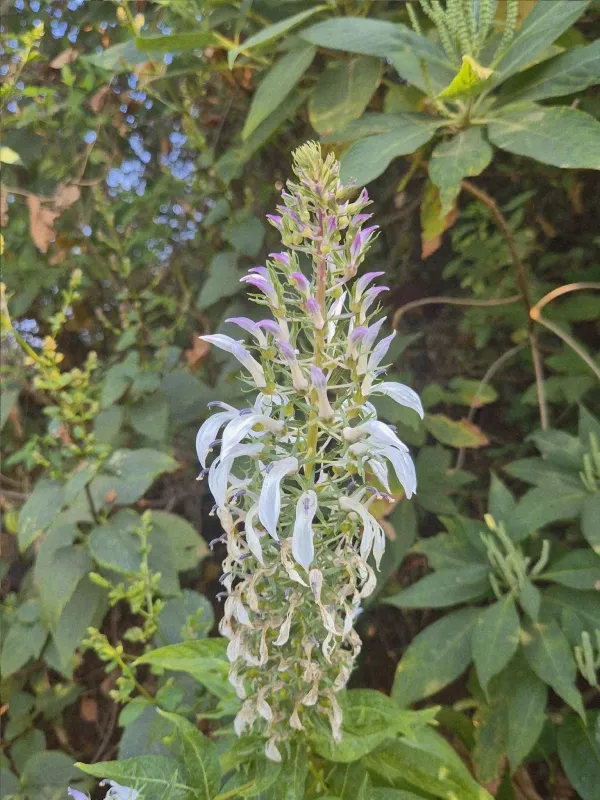
Description
Growing requirements
Lobelia nicotianifolia is a robust perennial species belonging to the Campanulaceae family. Unlike smaller ornamental lobelias, this species is known for its shrub-like or small tree-like stature, often featuring a stout central stem and large, lanceolate leaves that resemble tobacco foliage.
The plant is native to the mountainous regions of India and Sri Lanka. It thrives in high-altitude tropical environments, where it enjoys high humidity and consistent temperatures. Cultivating this species requires mimicking these specific ecological conditions to ensure proper development.
Soil requirements involve well-draining, nutrient-rich substrates. The plant is sensitive to waterlogged conditions, which can lead to root degradation; therefore, a light, aerated soil mixture is essential for commercial cultivation in greenhouse settings or tropical nurseries.
Agricultural management focuses on providing adequate light and preventing thermal stress. While the plant is hardy in its native habitat, greenhouse temperature control is necessary in non-tropical regions to prevent frost damage and maintain the high metabolic rate required for rapid growth.
Commercially, Lobelia nicotianifolia is primarily valued as a medicinal plant. It contains alkaloids, including lobeline, which has been studied for its potential effects on the respiratory and nervous systems. Harvesting involves careful collection of the foliage and stems for industrial extraction.
Main diseases and pests
Pathogenic threats are dominated by fungal infections like Pythium or Rhizoctonia, which often stem from over-irrigation. Maintaining a precise irrigation schedule and using sterilized potting media are critical steps to mitigate these risks in large-scale production.
Pest pressures commonly include spider mites and aphids, especially in controlled environment agriculture. Implementing biological control programs, such as introducing predatory mites or lacewings, is often the preferred strategy to ensure the safety and quality of the medicinal harvest.