
Water lobelia
Lobelia dortmanna
Description
Growing requirements
Water lobelia (Lobelia dortmanna) is a perennial aquatic plant species belonging to the Campanulaceae family. It is distinct for its specific adaptation to oligotrophic lakes, which are characterized by low nutrient levels and sandy or stony substrates.
The plant has strict environmental requirements, including high water transparency and minimal organic pollution. It functions as a bioindicator of water quality, meaning its presence typically signifies healthy, clean aquatic ecosystems with low levels of anthropogenic disturbance.
Its natural range covers the northern regions of Europe and North America. Unlike common field crops, this plant is not grown commercially but serves an essential role in stabilizing the bottom sediment of lakes and providing habitat for small aquatic organisms.
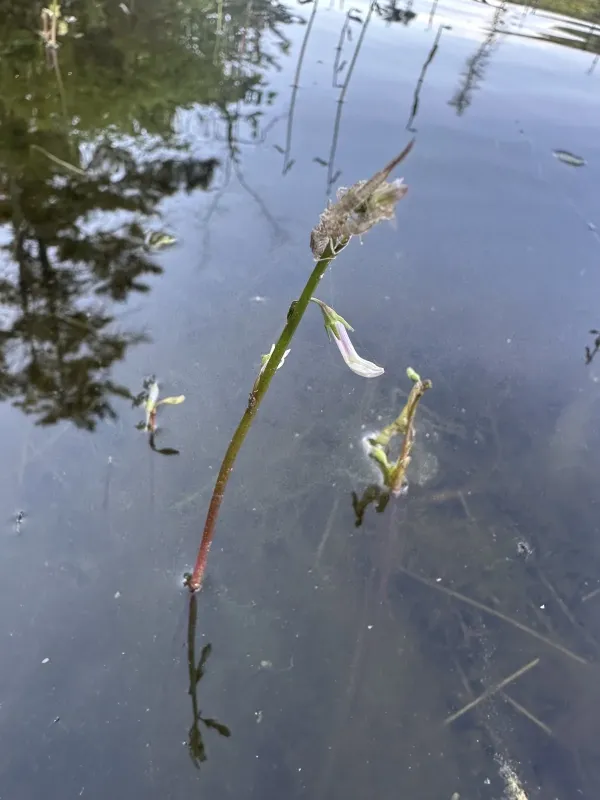
Botanically, it consists of a basal rosette of leaves that remain submerged throughout the growing cycle. During the reproductive phase, it produces an emergent raceme of small, pale-blue or white flowers that extend above the water surface for insect pollination.
Agricultural techniques are not applicable to this species, as it requires specialized hydric conditions that are difficult to replicate in farming. Preservation efforts focus on protecting existing lake habitats from eutrophication and excessive sedimentation caused by agricultural runoff.