
Lily of the valley
Convallaria majalis L.
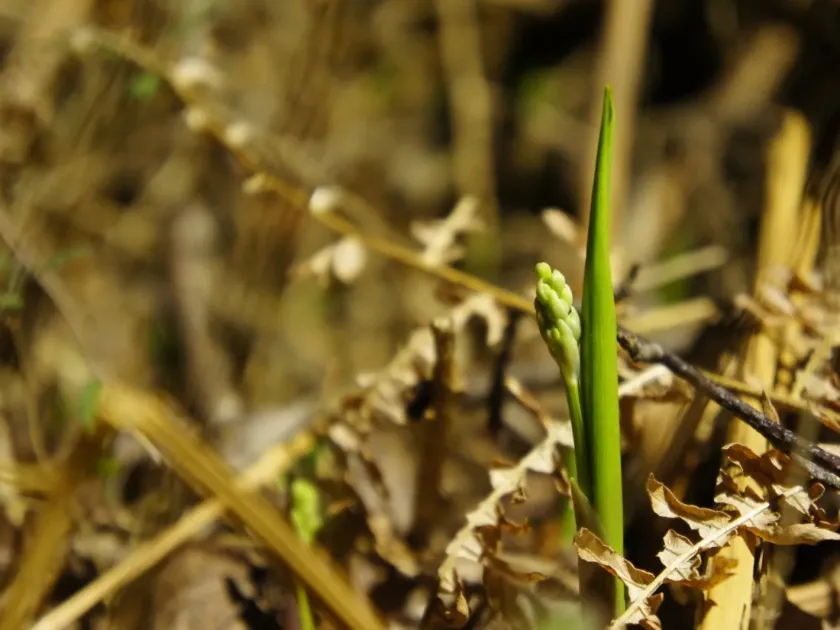
Description
Sowing dates
Lily of the valley (Convallaria majalis L.) is a perennial herbaceous plant of the Asparagaceae family, widely recognized for its high value in both pharmacological production and ornamental gardening.
Propagation of this culture is predominantly achieved through vegetative division of the rhizomes, which ensures the preservation of specific varietal traits and promotes faster establishment.
The optimal planting periods for rhizome sections are early spring or late autumn, when the plant is in a dormant state, minimizing transplant stress.
Rhizomes should be planted in pre-prepared furrows at a depth of about 10 centimeters, maintaining a spacing of 10 to 15 centimeters to allow for healthy rhizome expansion.
While seed propagation is possible, it is rarely used in commercial production due to the low germination rate and long development cycle, making division the preferred industry method.
Growing requirements
This species thrives in areas with partial shade or dappled sunlight, mimicking its natural woodland habitat where it is shielded from direct heat and intense solar radiation.
The soil requirements include high organic matter content, excellent drainage, and a slightly acidic to neutral pH level to ensure optimal nutrient uptake and root development.
Consistent moisture levels are critical for the plant, especially during the active growing season, though waterlogging must be avoided to prevent root rot issues.
Regular applications of organic fertilizers, such as leaf mold or well-rotted compost, are recommended to maintain soil fertility and support the plant's long-term health.
The plant demonstrates high winter hardiness, allowing it to survive extreme temperature drops without requiring additional protection in temperate climate zones.
Yield
The yield of Lily of the valley is measured by the production of medicinal biomass, specifically the harvested leaves and flowers used for cardiac glycoside extraction.
Following a standard cultivation regimen, high yields of green mass are achievable by the third year of plantation life, providing a consistent supply for pharmaceutical manufacturers.
The crop's economic utility depends on the concentration of active compounds, which requires careful management of soil nutrients and regular thinning to prevent overcrowding.
Productivity remains stable provided that the plantation is rejuvenated every few years, preventing the decline in plant vigor that occurs in aging, dense colonies.
With correct agricultural practices, the yield of active ingredients remains high, ensuring the crop remains a profitable venture for specialized medicinal herb growers.
Main diseases and pests
The most significant pathological threat to the crop is gray mold (Botrytis cinerea), which thrives in high humidity and poses a major risk to both foliage and flowers.
Rust infections are also common, causing discoloration and necrosis of the leaves, which significantly impacts the quality of the harvested medicinal product.
Nematodes represent a serious threat, capable of causing severe damage to the rhizome system and resulting in reduced plant vigor and crop failure if not addressed.
Pests such as sawflies and onion flies may also infest the crop, requiring integrated pest management strategies to mitigate damage to the above-ground biomass.
Preventative measures, including ensuring adequate spacing and proper ventilation, are essential to minimize the spread of diseases within the cultivation area.
Harvesting
The harvest of Lily of the valley for medicinal use must be carried out during the flowering period, when the concentration of pharmacological active substances is at its peak.
The above-ground parts are harvested by cutting the stems several centimeters above the ground, ensuring the rhizome remains intact to support the plant's regrowth next season.
Prompt processing after harvest is mandatory to prevent degradation, as the plant's delicate tissues are highly susceptible to moisture loss and loss of potency.
Drying is performed in shaded, well-ventilated areas or in controlled-temperature dryers at a maximum of 50 degrees Celsius to maintain chemical stability.
The final product is inspected for quality and purity before being stored in cool, dry conditions to ensure long-term shelf stability for pharmacological use.