
Keiske's Lily of the Valley
Convallaria majalis L. var. keiskei (Miq.) Makino
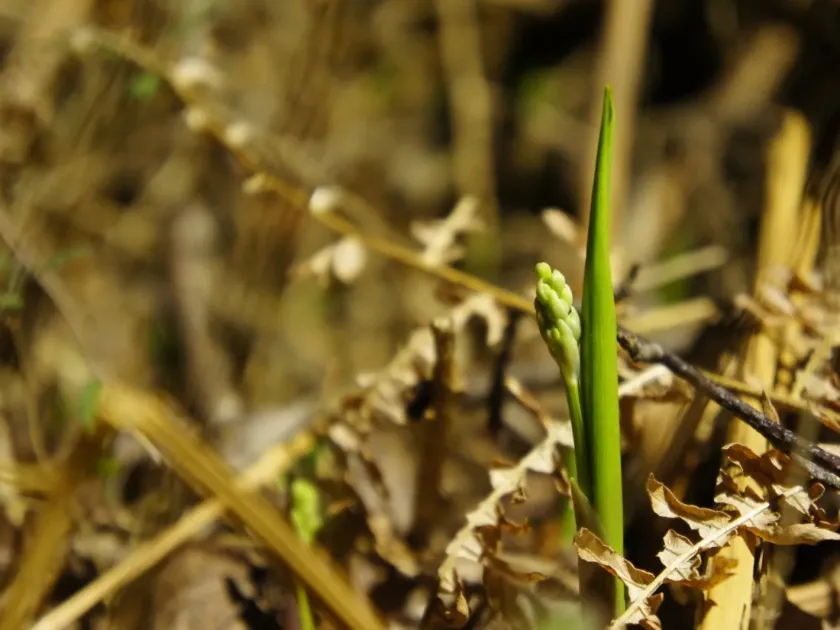
Description
Sowing dates
Keiske's Lily of the Valley (Convallaria majalis var. keiskei) is a herbaceous perennial belonging to the Asparagaceae family. The primary method of propagation is the division of rhizomes during the dormancy phase, typically in early spring or autumn.
When propagating, choose healthy segments of rhizomes that possess at least one strong vegetative bud. This ensures a faster establishment and more vigorous growth in the first year of planting.
Seed propagation is possible but rarely used in practice due to a long dormancy period and slow germination rates. Seeds require a cycle of cold stratification to break dormancy before being sown into the ground.
The planting density should be set to allow for future spreading. Planting intervals of 20-30 cm are recommended for most applications, ensuring that the rhizomes have sufficient room to expand their root network.
Proper depth is critical for successful cultivation. The buds should be covered with 2-3 cm of soil; planting too shallow exposes the plant to temperature fluctuations, while planting too deep can delay emergence.
Growing requirements
This species thrives in semi-shaded to fully shaded environments. Direct sunlight, especially in warmer climates, can damage the delicate foliage and reduce the moisture content of the soil.
The soil must be rich in organic matter and possess excellent drainage properties. A slightly acidic to neutral soil pH is ideal for maintaining the health of the rhizome network and leaf vitality.
Moisture management is essential, as the plant is sensitive to both drought and prolonged waterlogging. Constant but moderate soil moisture supports the formation of buds for the following season.
Temperature regulation is generally handled by the plant's natural adaptation to cool climates. In regions with harsh winters and low snow cover, applying a layer of organic mulch helps protect the roots from deep freezing.
Regular maintenance involves removing competing weeds, as the shallow roots of the lily of the valley struggle against aggressive grasses. Mulching also acts as a natural suppressor for common garden weeds.
Main diseases and pests
Botrytis (gray mold) is a significant threat to the plant, particularly in humid and stagnant air conditions. It causes wilting and rot in the stems and leaves, often requiring careful pruning and disposal of affected areas.
Leaf spot diseases are common when humidity is high. To mitigate this risk, it is important to provide sufficient airflow between plants and avoid overhead watering that keeps the foliage wet for extended periods.
Nematodes are among the most difficult pests to manage, as they attack the root system directly. Once a site is infested, soil solarization or the use of clean planting stock is the only effective solution.
Slugs and snails can cause substantial damage to young shoots in the spring. Using copper barriers or organic pellets around the perimeter of the patch can help protect the plants during their early development.
Leaf-eating insects like sawfly larvae should be monitored regularly. If an infestation is detected, prompt manual removal or the application of biological insecticides can prevent severe foliage loss.
Harvesting
The harvest of medicinal material is best performed during the peak blooming stage. This is when the concentration of cardiac glycosides, the active medicinal components, is highest within the leaves and flowers.
When harvesting, ensure that only a portion of the colony is collected to maintain the sustainability of the site. Use sharp tools for a clean cut, preserving the underground network of rhizomes for future regrowth.
Drying the harvested material quickly is essential to preserve its chemical potency. This is achieved by spreading the plants thinly in a warm, dark, and well-ventilated space, ensuring no moisture remains in the leaves.
Keiske's Lily of the Valley is primarily valued for its pharmacological applications, particularly in treating cardiovascular conditions. It is also used as an ornamental ground cover in woodland gardens.
Proper storage is required for the final product; keeping it in cool, dry, and opaque containers helps maintain its shelf life. Quality control should be monitored, as the plant's medicinal efficacy tends to degrade over time.