
Ligusticum tenuissimum
Ligusticum tenuissimum (Nakai) Kitag.
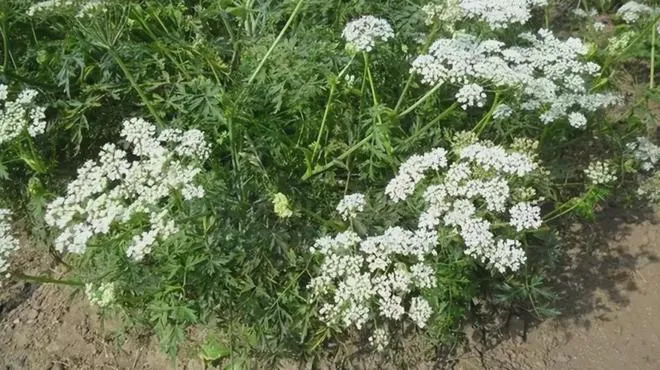
Description
Sowing dates
Sowing of Ligusticum tenuissimum (Nakai) Kitag. is typically performed in early spring once soil temperatures reach 5–8 degrees Celsius, which is ideal for germination.
Because the seeds of this species may require stratification to break dormancy, growers often utilize fall sowing to allow for natural exposure to cold temperatures.
Seeds should be planted at a depth of 1.5 to 2 centimeters to ensure they remain moist while receiving sufficient oxygen for consistent emergence.
Recommended row spacing is 30 to 45 centimeters, allowing enough room for cultivation machinery and manual weeding during the initial development phases.
Soil moisture must be strictly maintained at the surface level immediately after sowing, as the seeds are highly sensitive to desiccation in the topsoil layer.
Growing requirements
Ligusticum tenuissimum is a member of the Apiaceae family, and it performs best in well-drained, nutrient-rich loamy soils with a near-neutral pH balance.
The crop thrives in temperate climates where there is adequate rainfall and sunlight, provided that the soil profile does not suffer from prolonged waterlogging.
Being a perennial herb, it exhibits good winter hardiness, allowing it to survive in regions with cold winters, especially if covered by a sufficient snow layer.
Field management requires regular aeration of the soil to prevent crusting, which promotes the development of a healthy and expansive root system.
Adequate sunlight exposure is essential for the plant to achieve vigorous vegetative growth, which is necessary for high-quality root production in later years.
Yield
The primary economic output of this culture consists of its roots, which are highly valued in herbal medicine for their complex phytochemical properties.
Yield productivity usually peaks during the second or third growing season, which is when the roots accumulate the maximum density of active compounds.
Proper fertilizer management, emphasizing balanced phosphorus and potassium, significantly enhances the biomass of the root system during the development cycle.
Under intensive agricultural practices, commercial growers can achieve consistent yields by rotating crops and maintaining optimum plant density per hectare.
The overall quality of the harvest depends on the plant's ability to store resources throughout the season, which requires steady water supply during droughts.
Main diseases and pests
Fungal infections, particularly root rots and powdery mildew, represent the most significant threat to Ligusticum tenuissimum when soil aeration is poor.
Integrated pest management strategies are necessary to control common pests like aphids and umbrella moths, which can defoliate the plant during peak summer.
Weed control is critical, especially during the first year of cultivation when young seedlings are vulnerable to competition from more aggressive annual weeds.
To mitigate disease outbreaks, growers should avoid over-irrigating and ensure that planting sites have excellent drainage to keep the root zone healthy.
Regular field scouting allows for the early detection of pathogens, enabling targeted interventions that prevent the spread of diseases across the entire crop.
Harvesting
The harvest cycle for Ligusticum tenuissimum roots occurs in the autumn after the aerial portions of the plant have begun to die back naturally.
Harvesting is performed by carefully lifting the roots from the soil using mechanical diggers to prevent breakage and ensure that the root integrity is maintained.
Post-harvest processing involves immediate cleaning, rinsing, and careful grading to remove debris before the drying phase begins for the pharmaceutical market.
Drying is performed at controlled temperatures below 45 degrees Celsius to prevent the degradation of volatile essential oils and other medicinal ingredients.
Final storage must occur in a climate-controlled environment to protect the dried roots from moisture, light exposure, and pests during long-term storage.