
Licaria triandra
Licaria triandra
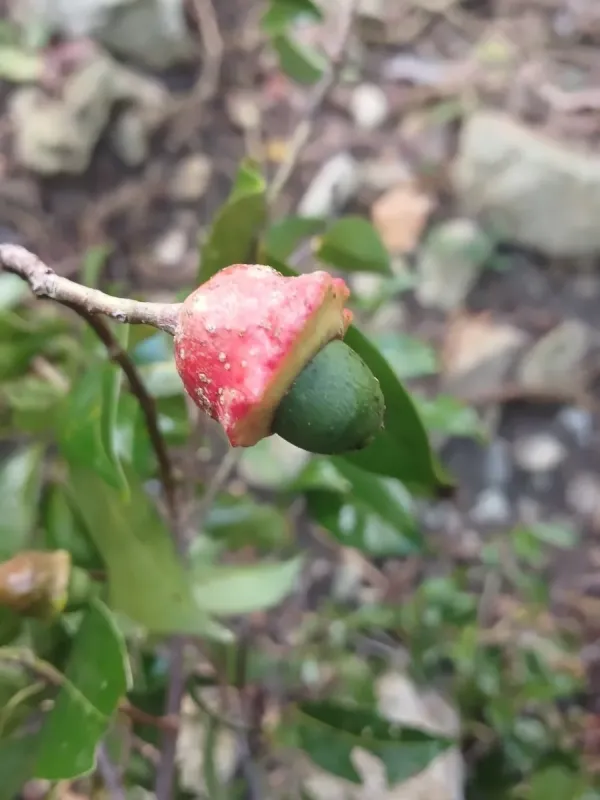
Description
Growing requirements
Licaria triandra is a notable evergreen tree species belonging to the Lauraceae family. It is recognized for its robust growth habit and ecological significance within its native tropical environments.
The natural range of this tree spans the Caribbean islands and parts of Central America. It thrives in tropical climates characterized by high humidity, constant warmth, and an absence of frost, which is essential for optimal development.
For successful cultivation, well-draining, nutrient-rich soils are mandatory. Licaria triandra performs best in deep, fertile substrates that allow for extensive root system expansion without the risk of waterlogging.
Agrotechnical management requires close monitoring of soil pH levels and organic matter content. Regular maintenance during the seedling phase is crucial to ensure survival and consistent development under plantation conditions.
Economically, the tree is valued for its potential in timber production and the extraction of aromatic essential oils. Its ability to integrate into diverse tropical landscapes makes it a candidate for sustainable forestry projects.
Main diseases and pests
Common phytosanitary issues include fungal infections that target the roots, especially in environments with poor drainage. Proactive soil management and proper spacing are necessary to mitigate these risks effectively.
Pest pressures often involve leaf-feeding insects that can affect foliage health. Integrated pest management strategies are advised, focusing on natural biological controls and maintaining vigorous plant growth to increase resistance.