
Licaria salicifolia
Licaria salicifolia
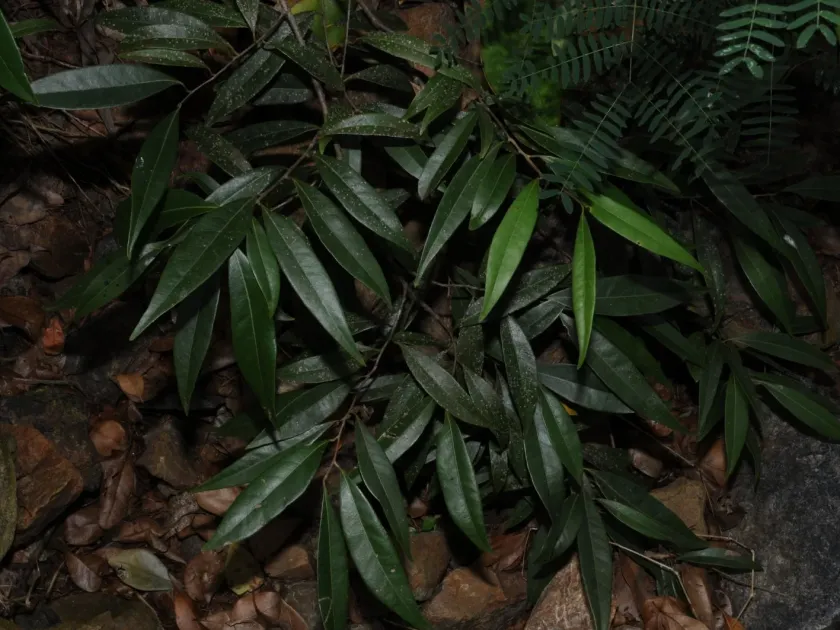
Description
Growing requirements
Licaria salicifolia is a distinguished member of the Lauraceae family. It is a perennial, evergreen tree native to the diverse tropical ecosystems of Central and South America, where it thrives in humid forest conditions.
The cultivation of this species requires a specific tropical environment characterized by consistent high humidity and warm temperatures. Protection from extreme heat and desiccating winds is essential for young specimens during their initial growth phases.
Soil requirements involve deep, fertile, and well-draining substrates. The plant favors slightly acidic to neutral soils that are rich in organic matter, mimicking the nutrient-dense forest floor of its native habitat.
Agricultural practices involve careful nursery management where light intensity is gradually increased as the tree matures. Consistent hydration and appropriate spacing are critical to ensure healthy development and optimal canopy expansion.
The economic importance of this tree lies in its biomass, which is processed to extract valuable essential oils. The presence of linalool makes the wood and leaves highly sought after for global fragrance and pharmaceutical manufacturing.
Main diseases and pests
Pathogenic fungi representing a significant threat to Licaria salicifolia plantations often target the root zone. Poorly drained soil frequently leads to root rot, which is particularly devastating in the high-humidity environments required for the tree.
Leaf-feeding insects, such as scale insects and spider mites, are common pests that decrease overall vigor. These pests must be managed through proactive monitoring and environmentally sustainable integrated pest management practices.
Stem-boring beetles present a danger to established trees, as they compromise the structural integrity of the wood. Regular site inspections and prompt removal of infested branches help to contain potential outbreaks.
Bacterial diseases can cause leaf spotting, which reduces the quality of the harvested essential oil. Proper spacing and site airflow are necessary to minimize these occurrences during prolonged wet seasons.
Environmental stressors, including irregular precipitation patterns, can lower the plant's natural resilience. Maintaining ecological stability within the orchard helps mitigate these threats and ensures consistent production.