
Licaria cannella
Licaria cannella
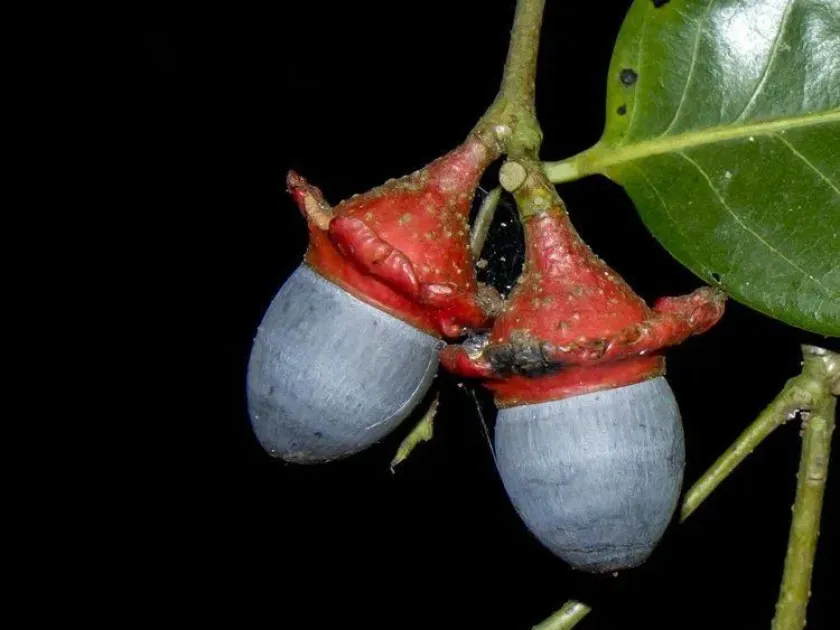
Description
Growing requirements
Licaria cannella is a distinctive species within the Lauraceae family, native to the tropical rainforests of South America, primarily flourishing in the Amazon basin and French Guiana.
The tree requires a tropical climate characterized by consistently high humidity, annual rainfall, and warm temperatures, as it is highly intolerant of frost or arid conditions.
Soil preferences include deep, well-drained, nutrient-rich substrates, ideally with a slightly acidic pH, which mimic the natural forest floor habitat of the species.
Cultivation practices involve selecting sites with adequate space for root expansion, as these trees can grow significantly, and ensuring exposure to sufficient sunlight to promote optimal oil synthesis.
Management requires consistent hydration and the application of balanced organic fertilizers to support steady annual growth rates and maintain tree health throughout the development cycle.
Main diseases and pests
Pests and diseases are a major concern in Licaria cannella plantations, particularly fungal pathogens that thrive in high-humidity environments, potentially causing root rot or stem lesions.
Leaf-feeding insects represent a constant threat during the early stages of growth, which necessitates proactive monitoring of foliage health and plant vigor.
Integrated Pest Management (IPM) strategies are recommended, utilizing a combination of biological controls and selective pesticide application to mitigate damage to the crop.
Maintaining proper tree spacing is essential to encourage air circulation, which helps reduce the incidence of fungal spores settling on leaves and bark surfaces.
Regular inspections and the removal of deadwood or infected plant parts are critical agricultural practices to preserve the long-term productivity of the stand.