
Leucopogon fraseri
Leucopogon fraseri
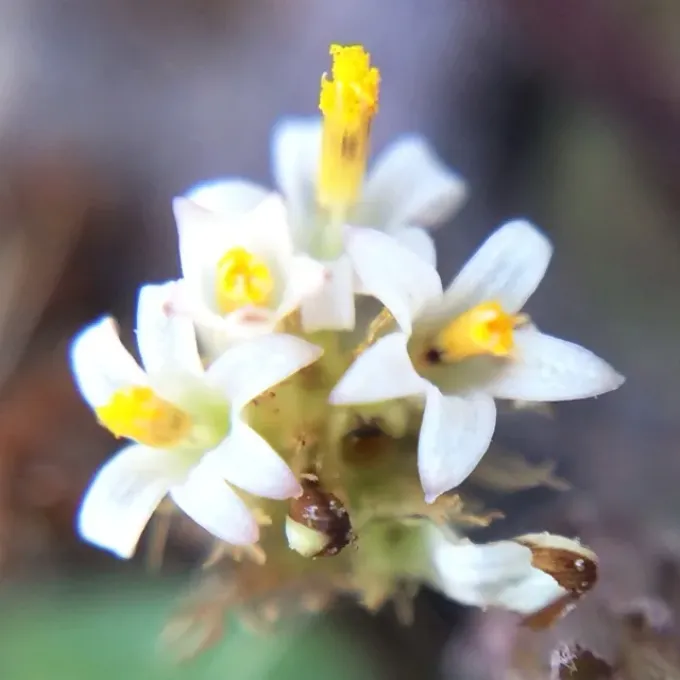
Description
Growing requirements
Leucopogon fraseri, known as the dwarf heath, is a perennial shrub belonging to the Ericaceae family. Native to New Zealand, it is a hardy plant capable of thriving in varied terrains, ranging from coastal sands to mountain slopes.
The plant requires acidic, well-draining soils. Horticulturalists emphasize that providing proper soil aeration is essential, as the root system of Leucopogon is highly susceptible to rot if water is allowed to stagnate.
Light exposure is another critical factor; this species performs best in full sun. While it can tolerate partial shade, optimal growth and fruit production occur when the shrub receives consistent sunlight throughout the growing season.
Regarding climate, Leucopogon fraseri is adapted to cool to moderate environments. It is wind-tolerant, making it an excellent candidate for exposed areas, provided that the soil conditions remain consistent.
General management practices are relatively simple. Mulching can help maintain soil moisture and acidity, but care must be taken to ensure the mulch does not directly touch the stem of the plant to prevent decay.
Main diseases and pests
The primary threats to Leucopogon fraseri include soil-borne pathogens such as Phytophthora species, which often proliferate in waterlogged conditions.
Pests such as scale insects or aphids may infest the plant during the vegetative growth phase. Regular monitoring is recommended to catch infestations before they cause significant damage.
Fungal diseases affecting leaves and stems can be mitigated by ensuring proper plant spacing, which encourages adequate airflow and reduces ambient humidity levels around the foliage.
Nutritional imbalances, particularly iron deficiency causing chlorosis, occur when soil pH rises above the optimal range for this acid-loving species.
Mechanical damage from improper weeding or excessive foot traffic can create entry points for opportunistic pathogens, leading to potential decline in overall plant health.