
Leucogenes leontopodium
Leucogenes leontopodium
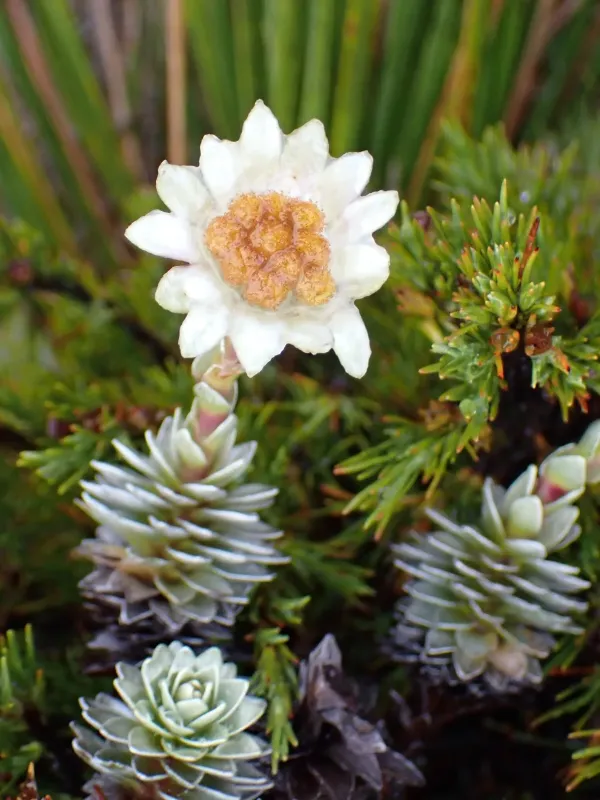
Description
Sowing dates
Seeds of Leucogenes leontopodium require a period of cold stratification to break dormancy and ensure uniform germination rates.
Sowing should take place in early spring or late winter, using a seed tray with a high-drainage substrate mixed with fine grit.
The seeds are tiny and should be sown on the surface of the soil, pressed gently into the substrate without covering them with a thick layer of compost.
Maintaining a consistent, cool environment is essential for seedling development, as high temperatures often lead to germination failure.
Pricking out the seedlings should be done with extreme care, as the root system is delicate and prone to damage during handling.
Growing requirements
This species belongs to the Asteraceae family and is native to the harsh alpine environments of New Zealand, which dictates its cultivation needs.
The primary requirement is a very gritty, free-draining soil profile that prevents moisture from sitting near the crown of the plant.
Full sun is preferred, but in hotter climates, the plant benefits from light shade during the intense heat of the midday sun.
Excellent air circulation is mandatory to prevent fungal issues, making this plant ideal for open rock gardens or well-ventilated greenhouses.
Fertilizer application should be minimal, as these plants are adapted to nutrient-poor soils and may suffer from over-fertilization.
Main diseases and pests
Root rot is the most common cause of plant failure, typically induced by overly moist soil conditions or poor winter drainage.
Powdery mildew can affect the foliage if air circulation is insufficient, necessitating the use of appropriate systemic fungicides.
Pests such as aphids and spider mites may target the plant, especially when it is grown under protected, less-than-ideal conditions.
Slugs and snails can pose a significant threat to young plants, often devouring tender growth before the plant has a chance to establish.
Good hygiene in the garden, including the removal of dead leaves from around the plant base, helps to mitigate the risk of fungal pathogens.
Harvesting
Leucogenes leontopodium is primarily utilized as a specialty plant in rock gardens, favored for its silvery, woolly, edelweiss-like appearance.
Seed harvesting should occur only after the flower heads have dried out completely, usually in late summer, to ensure the seeds are viable.
The plant has potential in dried floral arrangements, as its unique bracts and woolly foliage retain their structure well after drying.
Seeds are best collected in dry weather conditions and should be stored in a cool, dark environment to maintain longevity until the next planting season.
While not a commercial crop in the traditional sense, it remains a highly sought-after plant for alpine plant collectors and specialist nurseries.