
Leucogenes grandiceps
Leucogenes grandiceps
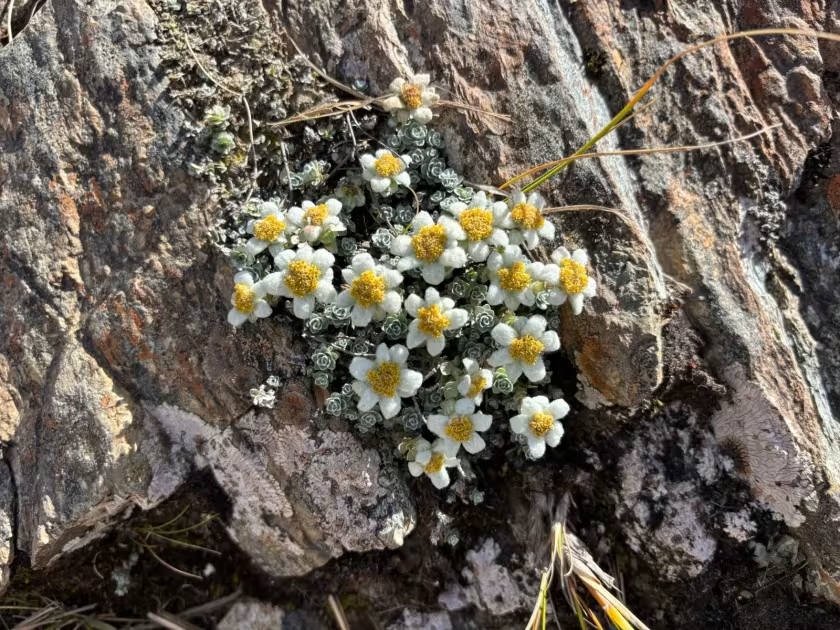
Description
Growing requirements
Leucogenes grandiceps, commonly known as the South Island Edelweiss, is a perennial herbaceous plant belonging to the Asteraceae family. It is native to the high-alpine regions of New Zealand's South Island, where it thrives in rocky crevices and on unstable scree slopes.
Botanically, this species is characterized by its distinct silvery-white foliage, which is covered in fine, matted hairs that serve as an adaptation to intense sunlight and wind. The plant forms compact, spreading mounds, producing flower heads that closely resemble the traditional European edelweiss.
Cultivation requirements for Leucogenes grandiceps are demanding due to its alpine origins. The plant requires an extremely gritty, well-draining mineral substrate. Any attempt to grow it in rich, organic, or moisture-retentive soil will almost certainly lead to the failure of the root system.
Climate needs include cool temperatures and high atmospheric light. While the plant is sun-loving, it struggles in regions with high humidity combined with stagnant summer heat. In cultivation, it is essential to ensure excellent air circulation around the foliage to prevent dampness-related issues.
The primary use of this crop is ornamental, specifically for alpine houses, specialized rock gardens, and troughs. It is highly valued by enthusiasts of rare alpine flora for its architectural foliage and unique, star-shaped inflorescences that maintain interest throughout the season.
Main diseases and pests
The main threats to Leucogenes grandiceps are pathogenic fungi such as Botrytis and various forms of root rot. These diseases are almost exclusively triggered by improper watering practices or poorly drained soil substrates that remain waterlogged for extended periods.
Pest pressure is generally low, but in protected environments like alpine houses, infestations of spider mites can become an issue. Regular monitoring and the avoidance of overcrowding help maintain plant health and prevent the rapid spread of potential pests.