
Leucanthemopsis pectinata
Leucanthemopsis pectinata
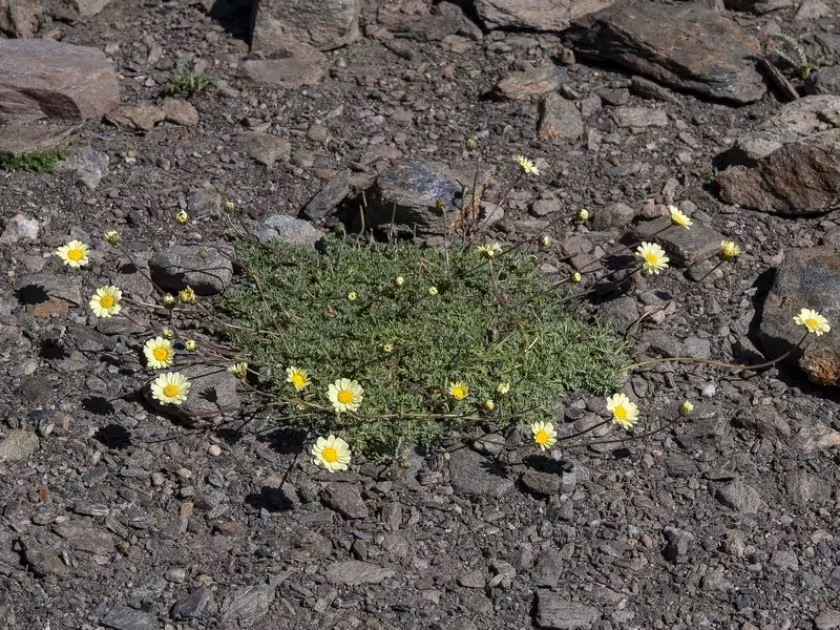
Description
Growing requirements
Leucanthemopsis pectinata is a perennial herbaceous plant belonging to the Asteraceae family. Originating from the mountain regions of the Iberian Peninsula, this plant is well-adapted to harsh environmental conditions and rocky substrates.
The plant is characterized by its distinctively pinnatisect, comb-like leaves that form a low-growing rosette. The solitary daisy-like flower heads appear on slender stalks, reaching heights of approximately 10 to 25 centimeters during the blooming season.
For optimal growth, this species requires full sun exposure and well-draining soil. It thrives best in gritty or sandy conditions that mimic its natural alpine environment, as it cannot tolerate waterlogged soils or heavy clay.
Cultivation practices involve minimal fertilization, as the plant is adapted to nutrient-poor soils. Excessive nitrogen can lead to lush leaf growth at the expense of flower production, which is undesirable for its ornamental value.
This species is highly valued in rock gardens and alpine beds for its structural appeal and resilience. It is hardy in cold climates, provided that the soil is kept relatively dry during the winter dormancy period to prevent root rot.
Main diseases and pests
The plant is susceptible to fungal diseases if provided with excessive moisture or poor air circulation. Common pests include aphids and spider mites, which typically affect plants suffering from physiological stress due to improper watering or shade.