
Yellow leucanthemopsis
Leucanthemopsis flaveola
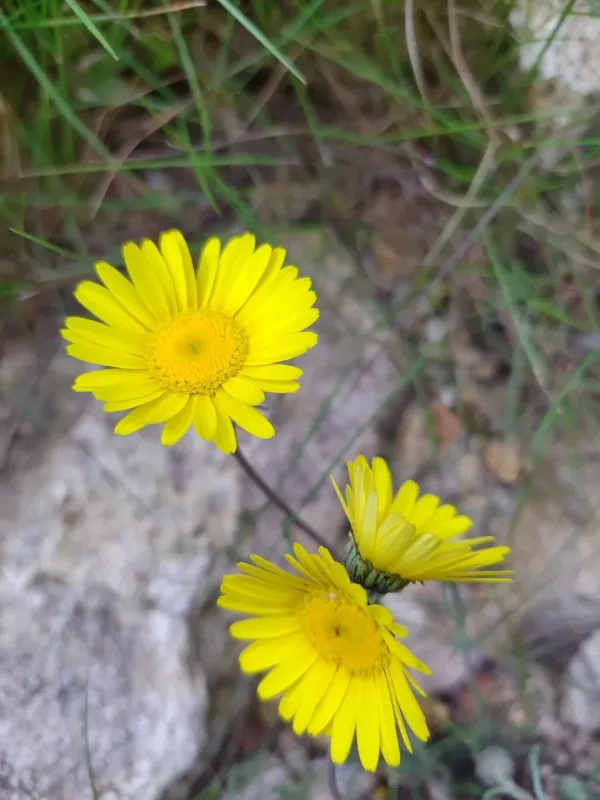
Description
Sowing dates
Yellow leucanthemopsis is a perennial herbaceous plant belonging to the Asteraceae family. Seed propagation requires a period of cold stratification to break natural dormancy, ensuring higher germination rates when conditions become favorable for growth.
Sowing in open ground is typically carried out in early spring once soil temperatures reach 10–12 degrees Celsius. When starting indoors, seeds are planted in trays during late winter, requiring bright, filtered light to produce healthy, sturdy seedlings ready for transplanting.
Vegetative propagation is achieved through the division of mature clumps. This procedure should be performed either in early spring before the active growth phase begins or in early autumn after the plant has finished flowering, allowing the root system to re-establish before winter.
The planting density depends on the specific garden layout, but a spacing of 25–30 centimeters is recommended. This provides sufficient space for air circulation between mature plants, which is vital for preventing moisture buildup and subsequent fungal issues.
Successful sowing requires well-drained substrate, as seeds and young sprouts are highly susceptible to damping-off if exposed to excessive moisture. Avoiding saturated soil conditions during the initial germination phase is the most critical step in establishing the crop.
Growing requirements
Native to the mountainous regions of Spain and Portugal, this plant thrives in full sun exposure. It requires at least six to eight hours of direct sunlight daily to maintain its compact growth habit and promote prolific flowering throughout the season.
The species prefers light, gritty, and well-drained soils with a neutral to slightly alkaline pH. In regions with heavy or clay-based soils, it is essential to incorporate coarse sand, grit, or perlite to improve aeration and prevent root saturation.
In terms of climate, the yellow leucanthemopsis is quite hardy, though it benefits from light protective mulching in regions where winter temperatures fluctuate significantly without consistent snow cover to insulate the soil surface.
Watering should be balanced; while the plant requires consistent moisture during the bud-forming stage, it must not be left sitting in standing water. Once established, the species shows moderate drought tolerance, but prolonged dry spells may reduce the overall floral display.
Fertilization should be applied sparingly, using balanced fertilizers with low nitrogen levels. Excessive nitrogen tends to force vegetative growth, which can weaken the plant and reduce the number of blossoms produced during the peak summer period.
Main diseases and pests
Fungal diseases, particularly powdery mildew and leaf spot, represent the primary threat to this plant, especially in high-humidity climates. Maintaining proper spacing and removing debris from around the base of the plant can significantly lower the risk of infection.
Root rot is a major risk factor caused by poor drainage or overwatering. If the soil remains waterlogged, the roots are unable to absorb oxygen, leading to plant decline. Improving soil structure and adjusting the watering frequency are the best methods of control.
Insect pests such as aphids and spider mites can occasionally affect the foliage, particularly in hot, dry conditions. Regular monitoring of the leaf undersides allows for early detection, which makes it easier to manage the population using natural or chemical means.
Nematodes are another potential threat, which can cause stunted growth and a general lack of vigor. Infected plants should be removed entirely, and the soil in that area should be monitored or replaced to prevent the spread of the infestation to neighboring plants.
A proactive approach to pest and disease management involves regular weeding. Weeds act as reservoirs for pathogens and harbor insects, so keeping the area clean is a fundamental component of keeping your leucanthemopsis plants healthy and productive.