
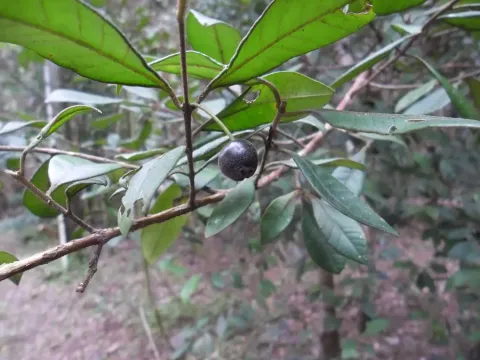
Lenwebbia
Lenwebbia
Lenwebbia is a genus of shrubs and trees belonging to the Myrtaceae family, native to specific tropical ecosystems. Propagation is primarily achieved through seeds, which should be sown in a well-draining, sterile substrate shortly after harvest to maximize germination rates.
What the section contains


Lenwebbia
Optimal germination occurs at temperatures between 22 and 26 degrees Celsius. Seeds should be kept in a high-humidity environment, ideally within a greenhouse or under a propagation dome, to ensure moisture levels remain constant until the initial emergence.
Once the seedlings develop their first true leaves, they are ready for transplanting into individual containers. It is crucial to use a mix that mimics the natural forest soil, rich in organic matter but porous enough to prevent any waterlogging.
In nursery conditions, shading is essential during the early stages of growth to prevent desiccation. Gradually exposing the plants to more light helps in acclimating them to the outdoor environment, provided the regional climate is suitable.
Vegetative propagation via semi-hardwood cuttings is an alternative method, often preferred for maintaining the genetic uniformity of specific cultivars. This requires the application of rooting hormones and consistent monitoring of environmental humidity.
The plant thrives in warm, humid climates and is highly sensitive to frost. Protection from cold winds and extreme temperature drops is a prerequisite for keeping the plant healthy and ensuring its long-term survival in garden settings.
Soil quality must be prioritised; Lenwebbia prefers acidic to neutral soils that provide excellent drainage. Incorporating compost or leaf mould can help improve soil structure and nutrient content, which is vital for the plant's sustained development.
Light requirements involve bright, indirect sunlight. While the plant can tolerate some direct morning sun, intense afternoon exposure can damage the foliage, particularly in younger or newly transplanted specimens.
Regular irrigation is necessary to maintain soil moisture, but it must be balanced to avoid waterlogging the roots. Using mulching around the base of the plant can help regulate soil moisture levels and suppress weed competition.
Periodic fertilisation with a balanced slow-release fertiliser is recommended during the growing season. It helps support the dense, evergreen canopy characteristic of the genus and promotes healthy maturation of branches.
Root rot and fungal leaf spot are the most prevalent diseases associated with improper water management. Implementing a robust drainage system and avoiding overhead watering in the evening can significantly reduce the risk of these pathogens.
Common pests include scale insects and mealybugs, which tend to congregate on the underside of leaves and stems. Management strategies involve regular scouting and the application of horticultural oils or systemic insecticides when outbreaks occur.
Aphids can pose a risk during the spring flush of new growth. These pests not only weaken the plant by feeding on sap but can also act as vectors for various plant viruses, necessitating prompt intervention.
Soil-borne larvae can occasionally damage root systems, particularly in young plants. Ensuring the soil is free of debris and applying biological control agents can mitigate this risk effectively.
Pruning is essential for plant health; removing dead or diseased tissue prevents the spread of infection. Proper airflow through the canopy is a natural defence mechanism against many common fungal issues.