
Lavatera trimestris
Lavatera trimestris L.
Description
Sowing dates
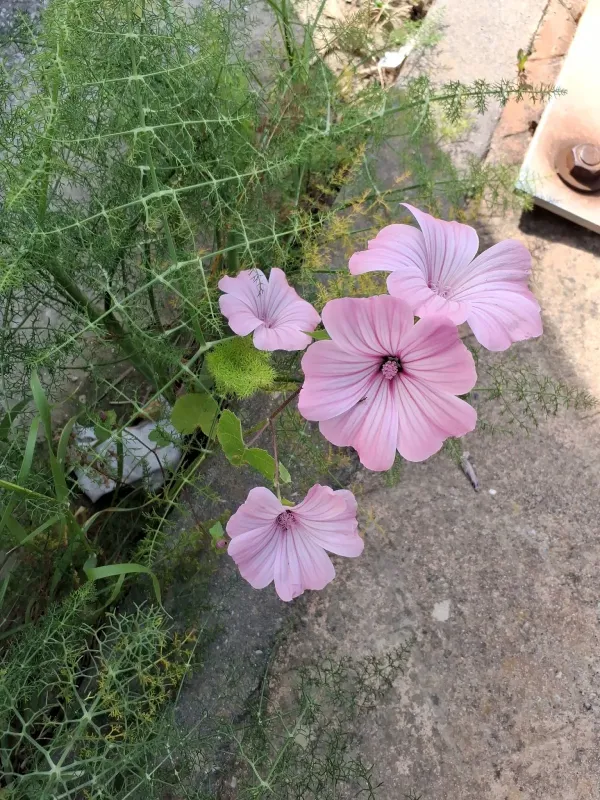
Lavatera trimestris, commonly known as the annual mallow, belongs to the Malvaceae family. It is a vigorous, fast-growing annual plant widely recognized for its large, trumpet-shaped flowers.
Sowing is typically done directly into the garden soil as soon as the danger of frost has passed in the spring, as the seeds germinate best in warming soil conditions.
Seeds should be sown at a depth of approximately 1 to 2 centimeters. Providing adequate space between plants is crucial, as they can grow quite tall and spread significantly.
The plant develops a deep taproot early on, which makes transplanting difficult. Therefore, direct sowing is strongly recommended over container-grown seedlings for optimal plant health.
Gardeners often perform successive sowings throughout late spring to extend the flowering period throughout the entire summer and into early autumn.
Growing requirements
The plant thrives in full sun exposure. While it can tolerate partial shade, maximum flowering intensity is achieved only when the plant receives at least 6-8 hours of direct sunlight daily.
Well-drained soil with moderate fertility is the ideal medium for Lavatera. It is highly adaptable but performs poorly in waterlogged conditions, which often cause root decay.
Lavatera is relatively drought-tolerant once established, but regular watering during the first few weeks and during dry spells is essential to support its large blooms.
Providing structural support or staking is recommended in exposed, windy locations, as the stems can become heavy during heavy rains or strong gusts.
Applying a balanced fertilizer early in the season encourages robust vegetative growth, whereas phosphorus-rich supplements can enhance the profusion of flowers.
Main diseases and pests
Aphids are the most common pests that affect Lavatera, gathering on the tender tips of the shoots and underneath the leaves, causing them to curl and lose vigor.
Fungal diseases, including rust and powdery mildew, can pose a challenge, especially in regions with high humidity or poor air circulation around the plants.
Effective management strategies include ensuring proper spacing between plants to improve airflow and monitoring for early signs of infestation or infection.
- Applying horticultural soaps to control aphid populations.
- Using approved fungicides at the first sign of rust.
- Removing infected plant debris to reduce spore overwintering.
By maintaining proper hygiene in the garden and practicing good cultural management, Lavatera remains a hardy and relatively trouble-free plant for many seasons.