
Laurembergia tetrandra
Laurembergia tetrandra
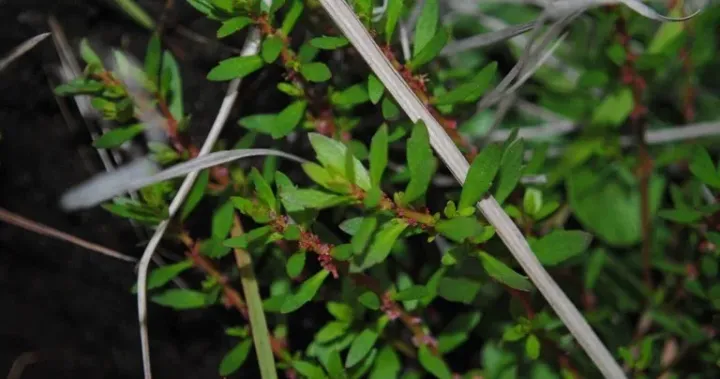
Description
Growing requirements
Laurembergia tetrandra is a perennial herbaceous plant belonging to the Haloragaceae family. Native to tropical and subtropical regions, it is primarily found in wetland habitats, riverbanks, and areas with high soil moisture levels where it can thrive undisturbed.
The botanical structure of this species includes creeping stems that root at the nodes, allowing the plant to spread horizontally across wet substrates. The leaves are typically arranged in an opposite pattern, which helps the plant maximize surface area for photosynthesis in various light conditions.
Successful cultivation requires specific environmental parameters, primarily high soil moisture and consistent atmospheric humidity. The species performs best in nutrient-rich, organic-heavy soils that remain moist throughout the growing cycle without becoming waterlogged to the point of stagnation.
Temperature requirements are strictly defined by the plant's tropical origin, necessitating a range of 20 to 28 degrees Celsius for active biomass production. It does not tolerate frost, making greenhouse conditions or sheltered tropical zones essential for consistent yield and health.
From a utilitarian perspective, the plant is valued for its role in phytoremediation and aquatic landscaping. Its dense growth habit provides effective cover and assists in stabilizing loose sediments near water bodies, which is a critical function in ecological restoration projects.