
Laurembergia repens
Laurembergia repens
Description
Growing requirements
Laurembergia repens is a member of the Haloragaceae family. This perennial herb is native to tropical and subtropical regions across Africa, Asia, and the Americas, typically thriving in marshy areas and near freshwater bodies.
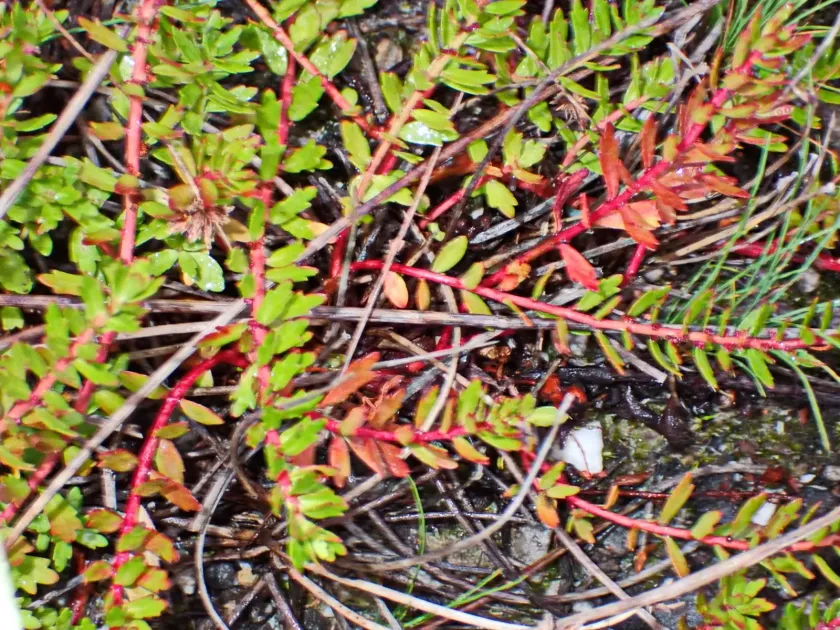
The plant features a creeping growth habit with small, delicate leaves arranged in whorls or opposite pairs. Its morphology allows it to adapt to both submerged and emersed conditions, making it a versatile choice for specialized horticulture.
Cultivation requires high humidity and consistent moisture levels. The ideal temperature range for this species is between 22 and 28 degrees Celsius, ensuring a stable environment that mimics its natural habitat.
Soil requirements include nutrient-rich, organic-heavy substrates with a neutral or slightly acidic pH. Proper fertilization is necessary, especially in closed systems like aquariums where natural nutrient cycling may be limited.
In practice, Laurembergia repens is widely appreciated in aquascaping and paludarium designs. It serves as an effective ground cover that helps maintain water quality by absorbing surplus nutrients from the aquatic environment.
Main diseases and pests
The primary threat to the plant's health is the sudden alteration of environmental parameters, particularly desiccation caused by low humidity levels or fluctuating water levels in the habitat.
Light deficiency is a major concern, as the plant reacts quickly by showing signs of chlorosis and thinning stems, which ultimately diminishes its structural integrity and ornamental value.
Fungal infections can occur if the water circulation is poor or if dead organic matter accumulates around the base of the plant, promoting rot in the stems and root system.
Aquatic pests, especially gastropods and various insect larvae, can feed on the tender foliage, leading to ragged leaves and inhibited growth rates if not managed properly.
Competition with aggressive algae species is also a common issue, as algae can block sunlight and deplete vital nutrients, effectively choking out the Laurembergia population.