
Lasiacis ruscifolia
Lasiacis ruscifolia
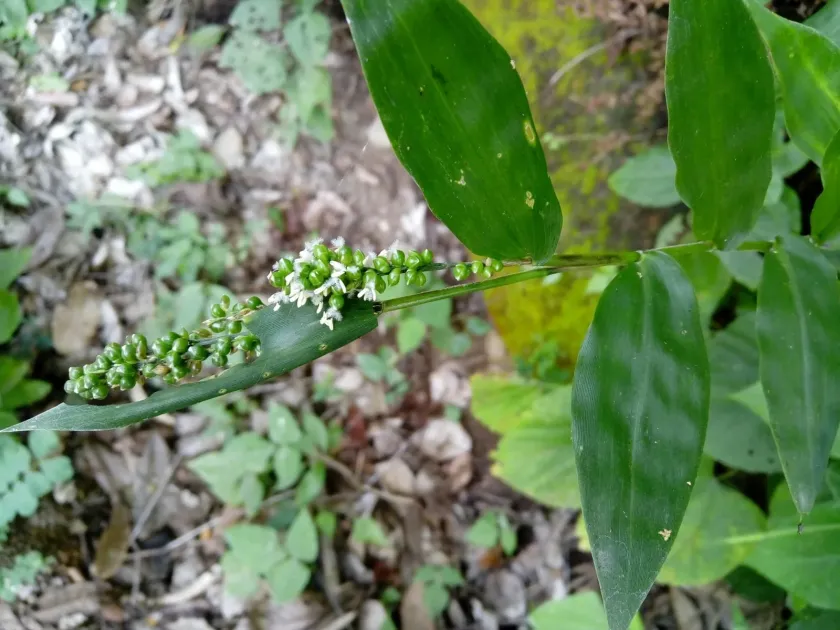
Description
Growing requirements
Lasiacis ruscifolia is a perennial grass species belonging to the Poaceae family. It is recognized for its robust, shrub-like growth habit, characterized by stiff, spreading stems that can form dense thickets in its native environment.
Originating from the tropical Americas, including Mexico, Central America, and the Caribbean, this plant thrives in warm and humid conditions. It is frequently found in woodland margins, disturbed areas, and secondary forests where light penetration is adequate.
The plant demonstrates a high level of resilience regarding soil types, performing best in well-drained, fertile substrates. It shows a particular preference for soils with moderate organic matter content and generally avoids waterlogged or anaerobic soil conditions.
Temperature requirements for optimal growth are typical of tropical zones, ranging from 22°C to 30°C. While it exhibits some tolerance to varying rainfall patterns, sustained production requires consistent moisture, especially during the early stages of establishment.
Cultivation practices involve site preparation that ensures good drainage and adequate spacing to prevent excessive competition between individual plants. Fertilizer application, specifically nitrogen-based, is effective in promoting rapid biomass accumulation during the vegetative phase.
Harvesting
In agricultural settings, Lasiacis ruscifolia is primarily utilized as a forage crop for ruminants. Its tough, fibrous structure provides a reliable source of roughage for livestock, especially in tropical systems where other grasses might fail during dry spells.
Harvesting is typically achieved through mechanical mowing or controlled grazing. Timing is crucial; for optimal nutritional quality, the grass should be harvested before the onset of reproductive development when protein content begins to decline.
Rotational grazing systems are recommended to preserve the vigor of the root system. Overgrazing can negatively impact the plant's ability to regenerate, therefore keeping animal density moderate is essential for long-term productivity of the forage area.
The harvested biomass is often processed through chopping to improve digestibility for the animals. Due to its naturally coarse texture, mechanical treatment is necessary to minimize waste and maximize intake efficiency by the livestock.
With proper management, Lasiacis ruscifolia fields can remain productive for several years. The plant's ability to recover quickly after defoliation makes it a valuable asset for maintaining consistent forage supply in challenging climatic conditions.