
Larryleachia cactiformis
Larryleachia cactiformis
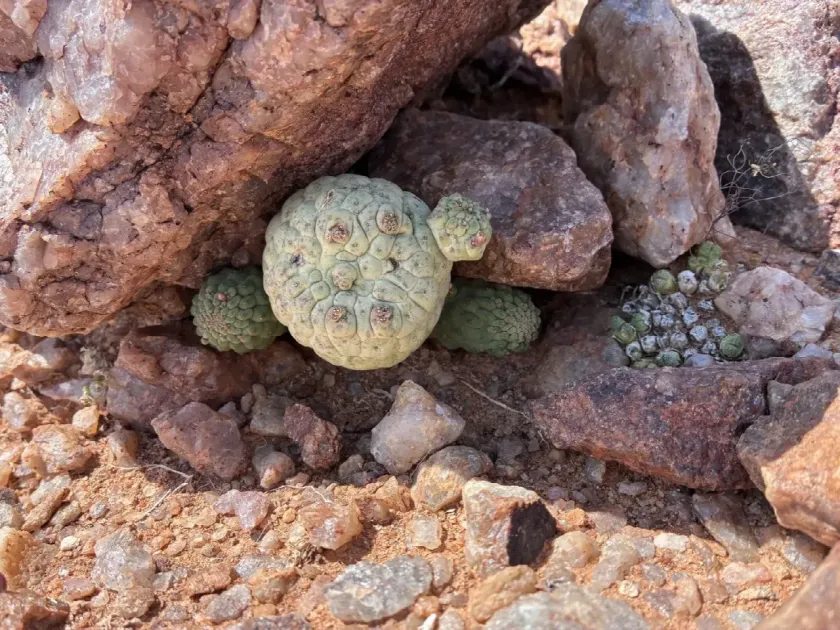
Description
Growing requirements
Larryleachia cactiformis is a unique succulent species belonging to the Apocynaceae family. It is characterized by its compact, club-shaped stems that resemble cacti, although it is taxonomically distinct and lacks true spines or thorns.
Originating from the arid regions of Southern Africa and Namibia, this species is highly adapted to extreme heat and prolonged drought. In an agricultural or horticultural context, it requires a very specific environment to thrive, mimicking its natural desert habitat.
The plant demands high light intensity throughout the year. If kept indoors, a south-facing window or supplemental LED lighting is necessary to maintain the plant's structural integrity and avoid etiolation, which often weakens the succulent's resistance to pathogens.
Soil composition is the most critical factor for success. A mix consisting of 70-80% inorganic matter—such as coarse sand, pumice, or crushed grit—and only 20-30% organic peat or potting soil is recommended to ensure rapid drainage and air circulation around the roots.
Temperature management should be strictly seasonal. During the summer, it thrives in warm conditions (22-30°C), while in winter, it requires a dry dormancy period in cooler temperatures (10-15°C). Water should be completely withheld during the winter to simulate the natural desert dry season.
Main diseases and pests
Root rot, caused by overwatering or soil compaction, is the most significant threat to Larryleachia cactiformis. Once rot sets in, it spreads rapidly through the succulent tissues, often making the plant unsalvageable.
Mealybugs are the most common pests found on this species. They tend to hide in the grooves between the tubercles of the stem, making manual removal difficult; systemic insecticides are usually required for effective control in larger collections.
Fungal pathogens can attack the stem if humidity levels remain too high for extended periods, especially when combined with poor ventilation. Using a small fan in the greenhouse to increase airflow can significantly reduce these risks.
Spider mites may occasionally occur if the surrounding air is excessively dry, which can cause discoloration and surface damage to the plant's skin. Periodic misting of the surrounding area—but not the plant itself—can deter these pests.
Poor drainage and low light levels combined act as a catalyst for various soil-borne diseases. Ensuring that the pot medium is completely dry before subsequent watering is the best preventative strategy against most pathological threats.