
Kummerowia striata
Kummerowia striata
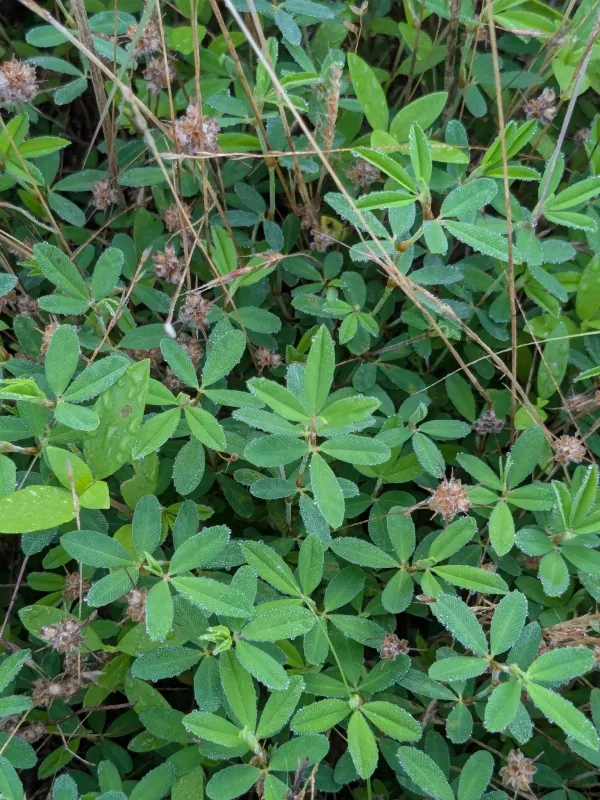
Description
Sowing dates
Kummerowia striata, commonly known as Japanese clover, is an annual legume species that serves as a valuable forage and soil-improving crop worldwide.
Sowing should take place in mid-spring once soil temperatures stabilize above 10-12 degrees Celsius to ensure uniform germination and establishment.
Seeds are typically sown at a depth of 1-2 centimeters. Achieving good soil-to-seed contact is essential for the crop's successful development in the early stages.
The seeding rate varies depending on the purpose of the crop, generally ranging from 15 to 20 kilograms per hectare for dense pasture stands.
Proper weed management before and during the initial growth phase is critical, as the crop grows slowly during its early development and can be easily outcompeted.
Growing requirements
This crop thrives in well-lit, open areas and shows significant tolerance to periodic dry spells due to its developed and efficient root system.
Kummerowia striata performs best on well-drained loamy soils with a neutral pH range between 6.0 and 7.0, although it shows adaptability to various soil types.
As a legume, it forms a symbiotic relationship with nitrogen-fixing bacteria. This process naturally enriches the soil, making it a preferred choice for sustainable crop rotations.
The plant is highly resistant to soil compaction and is often used to restore soil structure in areas that have been degraded by intensive monoculture practices.
Adequate moisture during the first few weeks after sowing is vital for canopy development, ensuring the plant forms a dense mat that protects the soil surface.
Yield
Kummerowia striata is primarily valued for its high protein content, making it an excellent source of green forage for various livestock, including cattle.
Yields of green biomass can reach between 150 and 250 quintals per hectare, depending on local fertility and rainfall patterns during the vegetative cycle.
Beyond forage, it serves as a robust green manure. Incorporating the biomass into the soil enhances humus content and provides a natural source of available nitrogen.
Seed production is another viable economic aspect of the crop, with potential yields between 3 and 6 quintals per hectare when managed with correct harvest techniques.
The nutritional quality of the dried hay remains high, providing a soft and energy-dense feed that supports overall livestock growth and milk production.
Main diseases and pests
The crop is generally hardy, but high humidity levels can trigger fungal issues such as anthracnose or powdery mildew if the stand is too dense.
Maintaining proper rotation and avoiding excessive moisture retention in the canopy are the best preventive measures to keep fungal populations under control.
Clover root curculio and other small beetles can pose a threat by feeding on the leaves and root nodules, potentially reducing the plant's nitrogen-fixing efficiency.
Integrated pest management, including regular field inspections, helps identify early signs of infestation and allows for targeted control rather than broad-spectrum spraying.
Competitive weeds are perhaps the biggest threat to young stands. Keeping fields clean early in the season significantly improves the final forage yield and quality.
Harvesting
Harvesting for green forage should be performed during the peak flowering stage, which ensures the highest concentration of digestible proteins and amino acids.
When producing hay, mowing should be followed by immediate drying. Using conditioning mowers helps to reduce leaf loss, as the foliage is highly nutritious.
For seed harvesting, timing is essential. It is recommended to proceed when the pods turn dark, minimizing the risk of seed shattering on the field.
A two-stage harvesting process is typically the most efficient: windrowing followed by threshing with combine harvesters set at reduced speeds to prevent damage.
Post-harvest residues provide additional organic matter. Tilling these remains into the soil helps build up long-term fertility and soil carbon sequestration.