
Kummerowia stipulacea
Kummerowia stipulacea
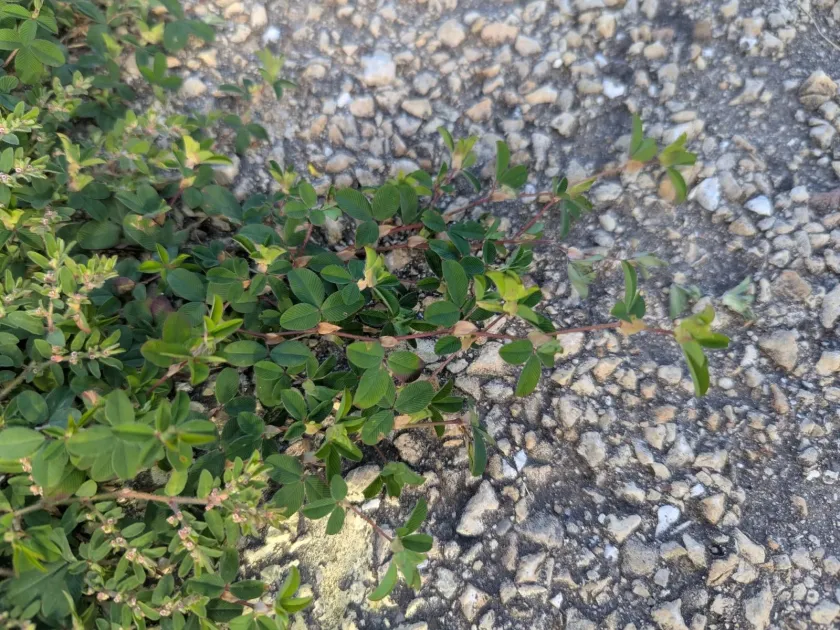
Description
Sowing dates
Kummerowia stipulacea is a warm-season annual legume that is sown in the spring after soil temperatures reach 12–15 degrees Celsius. The optimal planting window is generally from late April to the first decade of May, depending on the climatic zone.
The sowing technology involves row planting with a spacing of about 15–20 centimeters to ensure healthy development. Seeds should be sown at a depth of no more than 2–3 centimeters, which is critical for such small-sized seeds.
The crop is characterized by slow initial growth, so it is necessary to closely monitor weed competition after emergence. Early weed control allows the plant to accumulate vegetative mass much more rapidly during the growth phase.
Under sufficient moisture conditions, Kummerowia exhibits uniform germination and actively utilizes nitrogen fixation for its development. Using high-quality seed with strong vigor ensures the establishment of a dense stand.
An important factor during sowing is soil compaction/rolling, which improves seed-to-soil contact and promotes better water absorption. This is especially effective in regions with inconsistent spring rainfall.
Growing requirements
Originating from East Asia, this plant has high requirements for temperature. For active vegetation, the crop requires consistently warm weather without frost, as seedlings are extremely sensitive to cold temperatures.
Kummerowia stipulacea prefers fertile, well-drained soils with a neutral or slightly acidic pH. It can successfully tolerate temporary dry periods due to a well-developed root system that reaches deep into the soil layers.
As a member of the Fabaceae family, it is capable of nitrogen enrichment through symbiosis with nodule bacteria. This property makes it an excellent predecessor crop in rotations for cereals.
The crop is light-loving and does not tolerate shading, so it is not recommended to sow it in mixtures with fast-growing, tall grasses. Optimal light levels are key to obtaining high nutritional value for hay production.
In continental climates, the plant shows high adaptability to sharp fluctuations in day and night temperatures in the second half of summer. Nevertheless, the most intense biomass growth is observed under long-day conditions.
Yield
The biomass yield of Kummerowia depends on the level of agronomic management and the weather conditions during the growing season. Under favorable conditions, it can form a dense mat, providing a stable feed supply.
Average productivity levels make this crop a valuable source of protein-rich forage during the summer, a time when other grass species typically experience reduced growth rates. With intensive management, dry matter yield can be comparable to clover.
Timely harvesting is an important yield factor, as allowing the plants to over-mature leads to stem lignification and the loss of leaves, which contain the primary nutrients. Leafiness is a key indicator of forage quality.
The crop's potential also lies in its ability to regrow after the first cut, provided there is sufficient moisture, which allows for two harvests per season. This significantly increases the overall economic value of the plantings.
To improve yield, it is recommended to apply phosphorus-potassium fertilizers, which promote better root development and protein accumulation in the above-ground part of the plant.
Main diseases and pests
Kummerowia stipulacea is relatively resistant to most traditional legume diseases, but in waterlogged conditions, it may be susceptible to fungal diseases such as anthracnose or root rot.
Regarding pests, nodule weevils pose the greatest threat to crops, as they damage young seedlings and reduce the plant's nitrogen-fixing capacity. In some years, aphid damage can occur during the active flowering phase.
Weeds are a serious competitive threat during the early stages of development. A lack of weed control can lead to significant crop loss, as Kummerowia develops its foliage slowly at the start of the season.
To prevent the spread of diseases, choosing the right crop rotation and maintaining spatial isolation from other legumes is critical. Regular monitoring of the field allows for the timely identification of infestation patches.
Chemical control must be applied with caution, given the sensitivity of legumes to certain herbicides. Using integrated pest management practices allows for a reduction in the pesticide load on the agroecosystem.
Harvesting
Harvesting Kummerowia stipulacea for hay is best performed during the peak flowering phase, when the plant contains the maximum amount of protein and bioactive compounds. At this stage, the stems have not yet become overly woody.
When used for green forage, cutting can begin earlier, as soon as the stand reaches the necessary height and density. This ensures the best palatability for livestock.
Drying the harvested mass should be done in windrows with subsequent turning to prevent the loss of leaves, which are the most nutritious parts of the plant. Quick drying in field conditions helps preserve the natural green color of the hay.
If growing for seed production, harvesting begins when most pods turn brown, taking care to prevent shattering and seed loss. Combine harvesting should be performed at low drum speeds to minimize damage.
Timely cleaning of the seed material and drying it to an appropriate moisture level are necessary for long-term storage. Storage should take place in a cool, dry room to maintain high germination rates.