
False sedge
Kobresia simpliciuscula
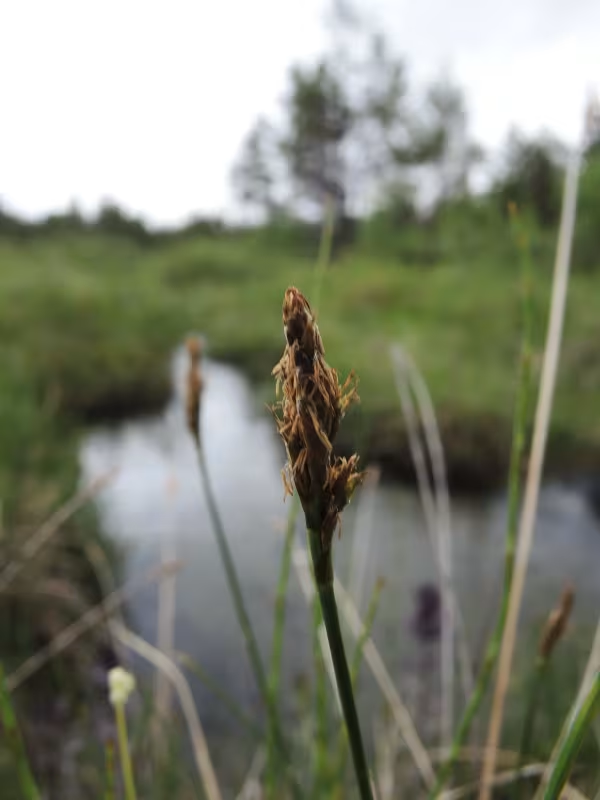
Description
Growing requirements
Kobresia simpliciuscula, commonly known as false sedge, is a perennial herbaceous plant belonging to the Cyperaceae family. While not a conventional row crop, it serves as a critical forage species in alpine and arctic ecosystems, contributing significantly to the stability of high-altitude grasslands.
Originating from cold climates, this species is widely distributed across the northern hemisphere. It thrives in regions with short growing seasons, demonstrating remarkable endurance against frost and cold stress, which makes it a vital component of rangeland vegetation in remote areas.
Regarding soil and moisture, false sedge prefers calcareous substrates and is frequently found in water-logged meadows, riverbanks, and fen-like environments. Its success depends heavily on the presence of sufficient moisture and alkaline soil conditions to support its complex root structure.
Botanically, the plant is characterized by its tufted, dense growth habit, which provides excellent ground cover. The leaves are narrow and wiry, adapted to minimize water loss while maximizing photosynthetic efficiency during the long daylight hours of the northern summer.
Economically, Kobresia simpliciuscula is used primarily for extensive grazing. It is highly valued for its early spring regrowth, which provides necessary nutrition for livestock in environments where higher-yielding forage grasses struggle to establish themselves effectively.
Main diseases and pests
The primary threats to Kobresia simpliciuscula include fungal infections that proliferate in stagnant, overly saturated environments. Proper water management and ensuring adequate drainage are essential to prevent the accumulation of moisture that could lead to root rot.
While resistant to many pests, the plant can be susceptible to insect damage if the overall vigor of the stand is reduced due to poor soil conditions or nutrient deficiency. Maintaining soil health is the best defense against localized pest outbreaks.
Overgrazing poses a significant risk to this species, as it destroys the dense mat of roots that helps the plant survive harsh winds and cold. Once the protective layer of vegetation is compromised, the plant struggles to recover, leading to a loss of pasture productivity.
Climate change and rising temperatures in alpine zones are causing habitat shifts, forcing the species to retreat to higher altitudes. This habitat fragmentation limits the available area for the plant to propagate and sustain its populations effectively.
Effective management strategies require a sustainable approach to grazing intensity. By avoiding mechanical damage during the early growth phase and monitoring soil pH levels, managers can preserve the longevity of false sedge stands in vital forage areas.