
Kobresia myosuroides
Kobresia myosuroides
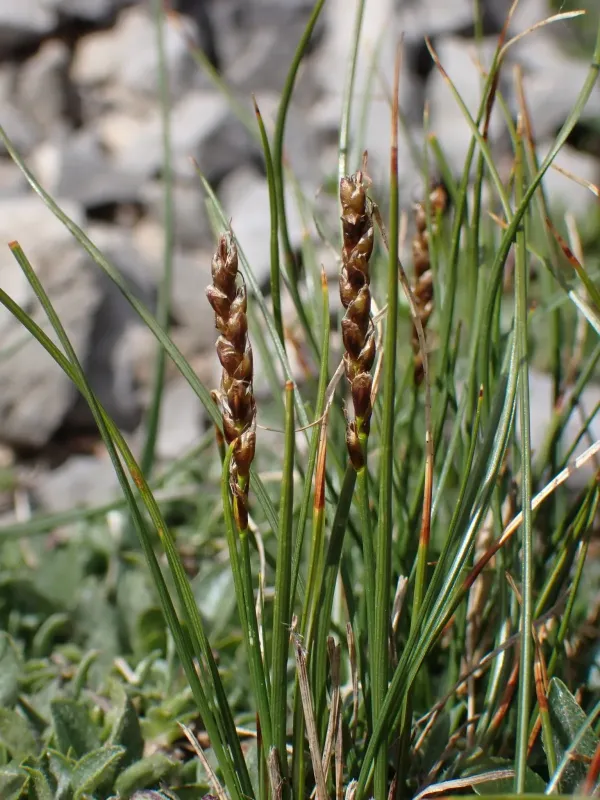
Description
Growing requirements
Kobresia myosuroides is a perennial graminoid belonging to the family Cyperaceae. It is a dominant species in many alpine tundra ecosystems across the Northern Hemisphere.
This plant thrives in harsh environmental conditions characterized by short growing seasons, cold temperatures, and well-drained, nutrient-poor soils.
Regarding cultivation, it is best suited for high-altitude zones where extreme conditions prevent the growth of more common forage crops.
The crop requires sufficient moisture during the snowmelt period, which is essential for its vegetative development and root system expansion.
It plays an integral part in sustainable highland agriculture, serving as a primary feed source for grazing livestock in remote mountainous regions.
Yield
The biomass yield of Kobresia myosuroides is naturally low, reflecting the limited energy resources of high-altitude environments.
Despite low productivity, the nutritional value of its leaves is high, making it a critical resource for maintaining livestock condition throughout the year.
Grazing management is the primary method of utilizing this crop, which supports biodiversity while providing sustained nutritional intake.
Harvesting for hay is rarely practiced due to the topography of its habitat and the relatively low height of the plant foliage.
Research suggests that sustainable grazing practices can maintain consistent biomass regeneration rates over several decades.
Main diseases and pests
Overgrazing poses the most significant threat to the integrity of Kobresia meadows, as it leads to the loss of topsoil and decreased plant density.
Climate change, specifically the reduction of glacier-fed water supplies, severely impacts the survival rates of these hygrophilous populations.
Pathogenic fungi are occasionally present during excessively wet seasons but rarely reach levels that require chemical control measures.
Herbivorous insects can cause minor damage to the reproductive organs, limiting the spread of seeds if the population is already under stress.
Environmental degradation, such as soil compaction from heavy machinery or dense livestock traffic, remains a primary concern for land managers.