
Forest scabious
Knautia drymeia
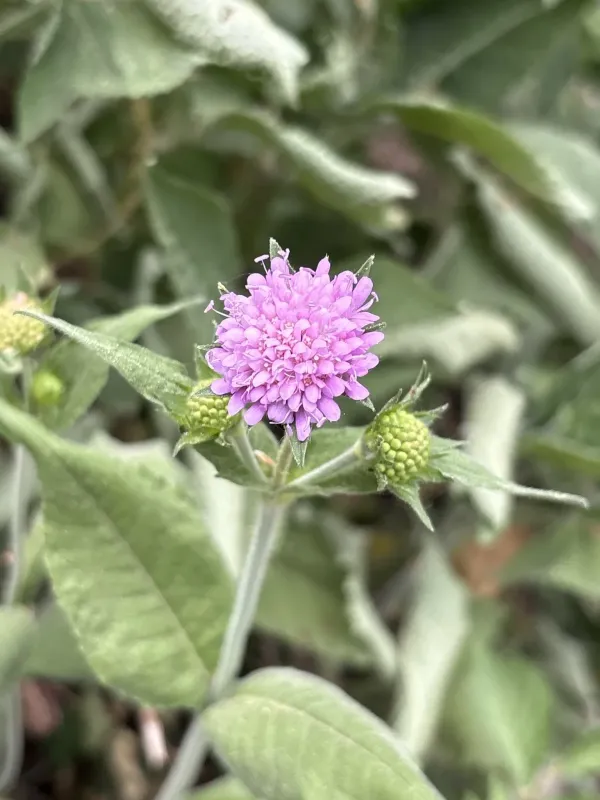
Description
Growing requirements
Forest scabious (Knautia drymeia) is a perennial herbaceous plant belonging to the Caprifoliaceae family, recognized for its importance in ecological restoration and sustainable agricultural practices.
Originating from the woodlands and meadows of Europe, this plant thrives in temperate climates and is adapted to environments with moderate soil moisture and semi-shaded conditions.
The ideal soil profile for cultivating this species includes nutrient-rich loams with a neutral or slightly alkaline pH level, ensuring proper drainage to prevent root rot during rainy seasons.
Agronomic management requires thorough seedbed preparation, as the seeds benefit from fine-textured soil that allows for optimal germination depth and uniform stand establishment.
Given its botanical resilience, the plant can be integrated into diverse forage mixtures, providing high-quality feed during periods when traditional grass species might show reduced growth.
Main diseases and pests
The primary diseases affecting Knautia drymeia include powdery mildew, which often occurs during periods of high humidity and poor air circulation within the crop canopy.
Rust infections have also been documented, manifesting as leaf discoloration that can negatively impact the photosynthetic capacity of the plant if left unmanaged.
Insect pests, particularly aphids and certain coleoptera species, may target the flower buds, which is a significant concern for producers focusing on seed harvesting.
Integrated pest management strategies should be prioritized, focusing on the selection of resistant cultivars and the maintenance of a balanced soil nutrient profile to enhance natural immunity.
Regular field scouting is essential to identify early outbreaks, allowing for targeted interventions that minimize the need for broad-spectrum chemical applications.