
Actinidia chinensis
Actinidia chinensis Planch.
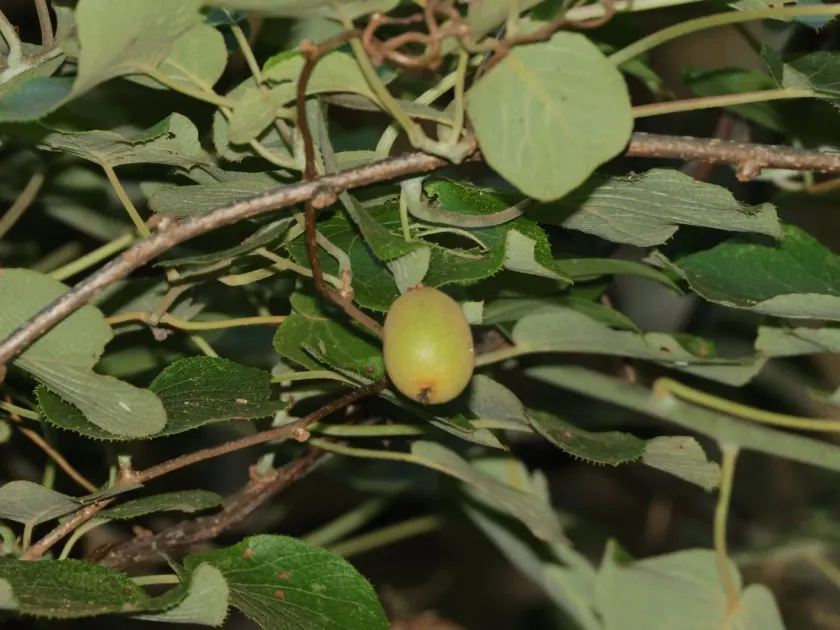
Description
Sowing dates
Actinidia chinensis is a deciduous woody vine belonging to the Actinidiaceae family. In agricultural practice, it is primarily propagated through vegetative methods, such as grafting or using semi-hardwood cuttings, to ensure the preservation of specific fruit cultivars and characteristics.
Seed propagation is typically reserved for breeding purposes. Seeds require a mandatory stratification period of several months under cool, moist conditions to break dormancy and ensure uniform germination.
Young plants are usually transplanted to their permanent location in the spring after the danger of frost has passed. As a climbing vine, Actinidia requires a robust trellis system to support its vigorous growth and heavy fruit load.
Because the plant is dioecious, commercial orchards must include both male and female plants. A typical planting ratio is one male vine for every five to six female vines to ensure efficient pollination by bees and wind.
The site selection process should favor areas protected from strong, drying winds, as the plant's large leaves are prone to mechanical damage and dehydration during the peak growing season.
Growing requirements
Actinidia chinensis thrives in temperate to subtropical climates. It is highly sensitive to extreme temperatures, particularly late spring frosts which can destroy tender new shoots and buds, drastically reducing the yield.
The crop requires fertile, well-draining soil with a pH range between 5.5 and 7.0. Soils with poor drainage or high clay content often lead to root rot, which is a major limiting factor for successful commercial cultivation.
Water management is essential, as the plant has a high water demand due to its large leaf surface area. Drip irrigation systems are highly recommended to provide consistent moisture without waterlogging the root zone.
Adequate sunlight is necessary for optimal fruit development. While the plant can tolerate partial shade in hotter climates, full sun exposure during the morning and afternoon promotes better wood maturation and higher sugar content in the fruit.
Nutrient management involves regular applications of nitrogen, phosphorus, and potassium. Mulching around the base of the plant helps suppress weeds, maintain soil temperature, and improve organic matter content over time.
Yield
Actinidia chinensis typically begins to produce fruit 3 to 5 years after planting. Mature plants reach full production capacity between 7 and 10 years of age, depending on the cultivar and the management practices employed.
Yields are heavily influenced by the quality of pollination. In optimal conditions, a healthy, mature vine can produce between 30 and 80 kilograms of fruit per season, depending on the plant's spacing and pruning intensity.
The fruit is highly valued for its high vitamin C and enzyme content. Beyond the fresh market, Actinidia chinensis is processed for juice concentrates, frozen fruit slices, and as a raw material for the culinary industry.
Sustainability of the yield depends on annual winter pruning. Removing excess vegetative growth allows for better air circulation, light penetration, and redirection of energy into fruit production rather than excessive canopy development.
Economic viability relies on post-harvest management. Fruit should be handled with extreme care to prevent bruising, which facilitates infection and reduces the shelf life of the harvested product.
Main diseases and pests
Fungal diseases, including Botrytis rot and Phytophthora root rot, are significant threats. These are often triggered by improper irrigation, poor soil drainage, or lack of ventilation within the vine canopy.
Bacterial canker, caused by Pseudomonas syringae, is one of the most destructive diseases, capable of causing rapid vine decline and limb dieback. Strict sanitation and the use of resistant rootstocks are primary defense measures.
Pests such as scale insects, spider mites, and leaf rollers can cause considerable damage by feeding on the foliage and stems. Integrated pest management (IPM) strategies, including biological control, are preferred over broad-spectrum chemicals.
Root-knot nematodes can also hinder plant growth by damaging the root system. Before establishing an orchard, soil testing is vital to ensure the land is free from high nematode populations.
Good horticultural practices, such as cleaning up fallen leaves and maintaining proper canopy structure, help minimize the microclimates that pathogens need to survive and reproduce within the orchard.
Harvesting
Harvesting is determined by the fruit's soluble solids content (sugar level). Fruit is picked while still firm to ensure it can withstand the sorting, packing, and transportation processes without suffering damage.
Manual harvesting is the standard procedure. Pickers must clip the fruit from the vine, as pulling the fruit can lead to "stalk-end" tearing, which significantly increases the risk of decay during storage.
Once harvested, fruit is cooled rapidly to remove field heat. Controlled atmosphere storage at temperatures close to 0°C allows for storage for several months, facilitating year-round supply chains.
Sorting by size and weight is performed at the packing facility using optical or mechanical sizers. This ensures uniformity for export markets and improves the overall presentation of the final product.
Proper scheduling of the harvest is critical; late-season fruit should be harvested before the onset of winter frosts, which could freeze the fruit and render it unmarketable due to structural breakdown.