
Kentiopsis pyriformis
Kentiopsis pyriformis
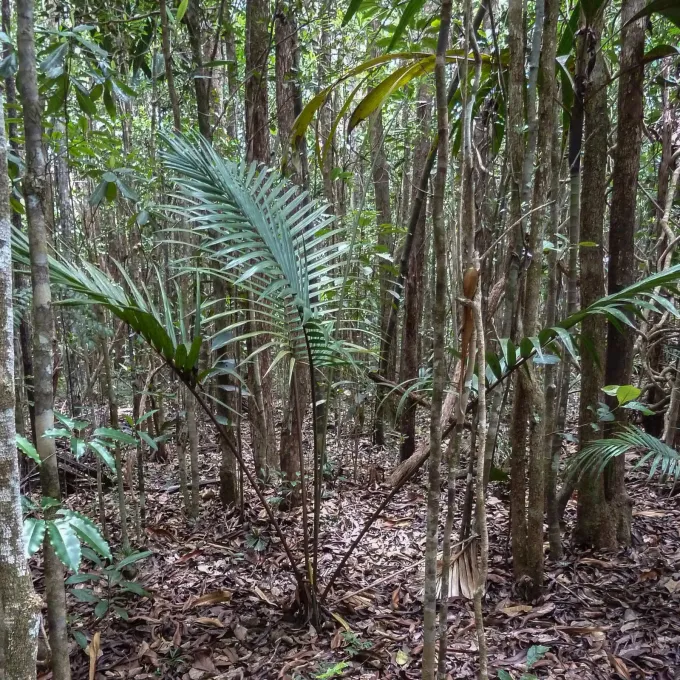
Description
Growing requirements
Kentiopsis pyriformis is a distinguished palm species within the Arecaceae family. It is native to New Caledonia, where it thrives in humid, shaded tropical forest environments.
Successful cultivation requires well-draining, nutrient-rich soil. It is vital to maintain a consistent level of moisture in the root zone without causing saturation, as the roots are sensitive to waterlogging.
The species demands a stable, warm climate throughout the year. In non-tropical regions, it must be grown in specialized conservatories where temperatures remain consistently above 18–20 degrees Celsius.
Optimal light exposure involves bright but diffused light. Direct sunlight is often too intense for this species, especially for young specimens, and can result in leaf scorching and permanent damage.
Maintaining high ambient humidity is a key component of the horticultural regimen. Regular misting, use of pebble trays, or automatic humidifiers are essential to simulate the native forest atmosphere.
Main diseases and pests
The primary threats to the health of this palm include fungal pathogens, which proliferate in poorly ventilated spaces. High humidity combined with stagnant air significantly increases the risk of crown and root rots.
Insect pests such as spider mites and mealybugs are frequently observed, particularly in environments with inadequate humidity. These pests feed on sap, which causes the foliage to lose color and structural integrity.
Proactive management includes regular monitoring of leaves and petioles. Ensuring adequate spacing between plants and maintaining good airflow are effective methods for preventing pest outbreaks and fungal spores.
When chemical treatment is necessary, systemic insecticides should be used carefully according to the manufacturer’s instructions. Avoid over-fertilizing with nitrogen, as this produces soft growth that attracts aphids and other sucking insects.
Abiotic stresses, such as cold drafts or extreme temperature fluctuations, are major contributing factors that can lead to significant plant decline and susceptibility to secondary infections.