
Kentiopsis magnifica
Kentiopsis magnifica
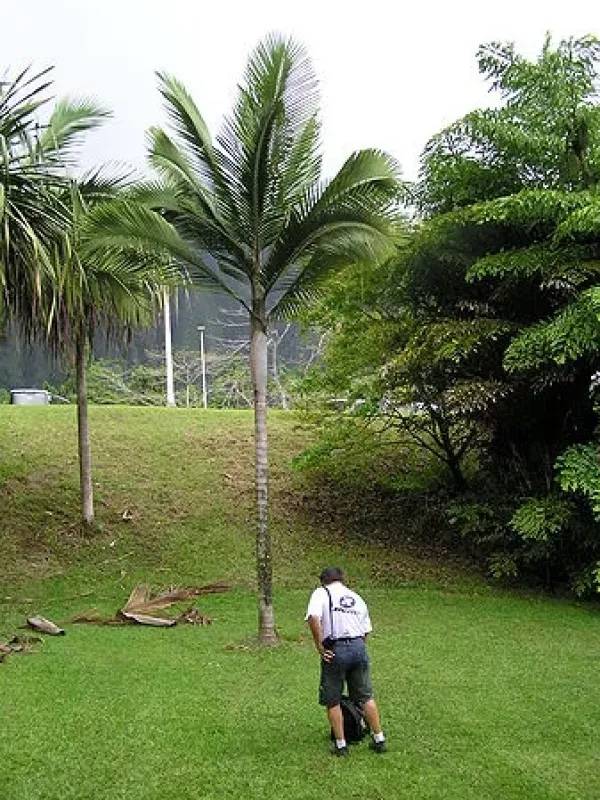
Description
Sowing dates
Propagation of this species is primarily achieved through seeds, which must be fresh to ensure a high germination rate. The seeds should be sown in a sterile, well-draining medium to prevent premature rotting.
Temperature control is crucial during the germination phase. A consistent heat source, maintaining between 26°C and 29°C, is recommended to facilitate the development of the embryo.
Seedlings should be kept in a high-humidity environment, protected from direct sunlight. Once the second leaf appears, they can be transplanted into individual containers using a peat-based mix.
The root system is sensitive to disturbance, so great care must be taken during the potting-up process to avoid breaking the delicate primary roots of the young palm.
Maintaining a steady moisture level in the substrate, without overwatering, is the key to successfully establishing young plants during their first year of growth.
Growing requirements
Kentiopsis magnifica belongs to the Arecaceae family and originates from the humid forests of New Caledonia. It is highly valued for its striking, architectural appearance in tropical landscaping.
The plant thrives in humid environments. In dry climates, the ambient humidity should be supplemented using misting systems or ultrasonic humidifiers to keep leaves healthy.
Soil requirements include a slightly acidic pH and high organic matter content. Excellent drainage is non-negotiable, as this species cannot tolerate standing water in the root zone.
Regarding light, it prefers dappled sunlight. While it can handle brighter conditions as it matures, young plants must be shaded to prevent leaf scorching and desiccation.
Temperature stability is vital for this species. It is a tropical plant that does not tolerate cold drafts or sudden drops in temperature, especially during the active growing season.
Main diseases and pests
Spider mites are the most common pest, typically invading when the air humidity is too low. Regular checks of the undersides of the leaves are necessary for early detection.
Mealybugs can often be found in the crown of the palm or between the bases of the petioles. They can be managed by manual removal or the application of specific horticultural oils.
Root rot is a critical threat caused by soil that is too dense or a pot without adequate drainage holes. It often leads to irreversible damage if caught too late.
Leaf spot diseases, often caused by fungal pathogens, thrive in stagnant, humid air. Proper spacing between plants and good airflow are the best preventative measures.
Scale insects may also affect mature plants, attaching to the stems. Regular cleaning of the leaves and routine monitoring significantly reduce the risk of infestation.