
Kentiopsis piersoniorum
Kentiopsis piersoniorum
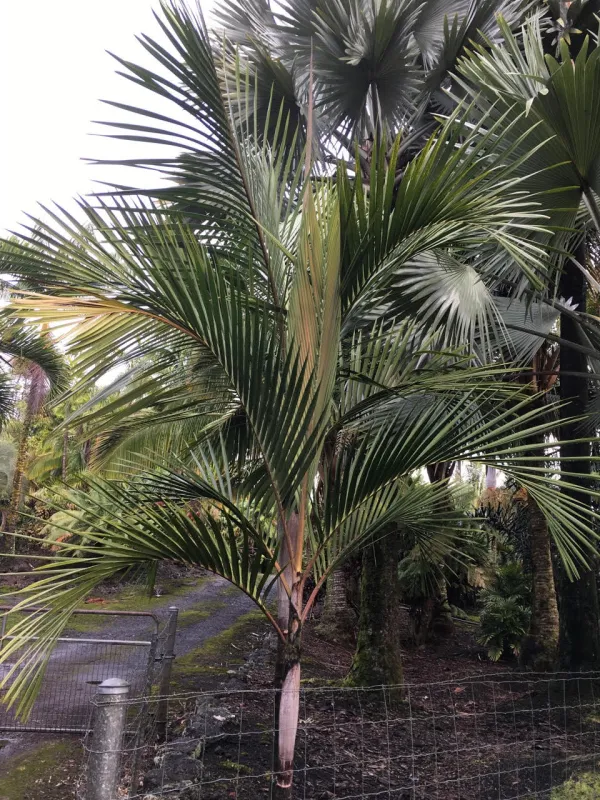
Description
Sowing dates
Kentiopsis piersoniorum seeds require immediate sowing as their viability drops rapidly after harvest. Successful germination is achieved when the growing medium is maintained at a steady temperature between 25 and 30 degrees Celsius.
A light, well-draining substrate composed of coconut fiber and perlite is ideal for seedling establishment. Providing high humidity is essential during the initial stages to prevent the seed coat from becoming too hard and inhibiting development.
The germination period can be extended and irregular, often spanning several months. Using bottom heating in nursery containers helps to stimulate the embryo and provides the consistency needed for reliable sprouting in this species.
Potting up young seedlings requires extreme care to avoid damaging the sensitive root system. Only transfer them to permanent containers once they have developed a robust root ball and multiple true leaves.
Commercial producers often treat seeds with systemic fungicides prior to planting. This precautionary measure protects the vulnerable seedlings from pathogen outbreaks that thrive in the warm, humid greenhouse environments.
Growing requirements
Kentiopsis piersoniorum belongs to the Arecaceae family and is an endemic species from New Caledonia. In its natural habitat, it thrives in moist tropical rainforests, typically growing in protected areas with filtered sunlight.
This palm species demands a high-quality, slightly acidic, and nutrient-rich soil mix. Excellent drainage is non-negotiable; standing water around the roots will inevitably lead to physiological stress and potential plant death.
A stable climate is vital for this culture, as it dislikes extreme temperature fluctuations. The optimal range for active growth is 20–28 degrees Celsius, accompanied by relative air humidity levels consistently above 60 percent.
Regular fertilization with a balanced palm-specific liquid fertilizer is recommended during the active growing season. It is crucial to avoid excessive nitrogen, which can lead to rapid, weak growth that makes the plant susceptible to mechanical damage.
Appreciated for its graceful pinnate leaves and clean trunk, this palm is a prized specimen for conservatories and botanical collections. Its slow growth rate makes it a long-term investment for plant enthusiasts and professional interiors.
Main diseases and pests
Common pests affecting this species include scale insects and mealybugs, which tend to congregate around the leaf base and petioles. Frequent inspections are the best defense to catch early infestations before they spread.
Improper irrigation and poor air circulation often lead to root rot caused by Phytophthora or Pythium fungi. If the soil remains saturated, the roots lose the ability to respire, eventually causing yellowing and wilting of the fronds.
Spider mites can become a significant issue in low-humidity environments, especially indoors. Maintaining optimal humidity and occasional washing of the foliage can help prevent these pests from gaining a foothold.
Leaf chlorosis may occur due to nutrient imbalances or incorrect soil pH levels. This condition requires precise adjustments to the substrate and the application of chelated iron to restore the plant's natural green color.
Sanitation is key to preventing the spread of diseases within a collection. Always sterilize cutting tools and promptly remove any diseased or dead foliage to ensure the overall health of the specimen remains uncompromised.