
Keetia venosa
Keetia venosa
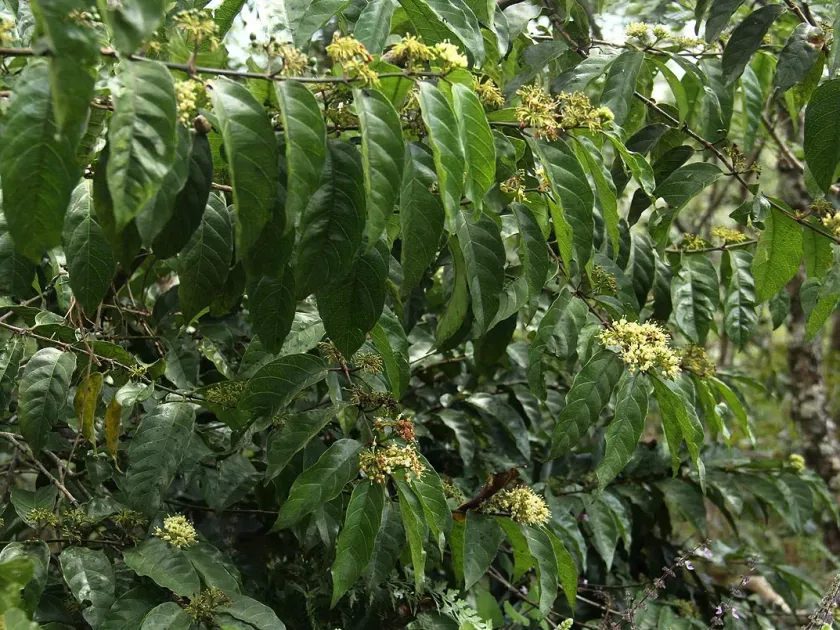
Description
Growing requirements
Keetia venosa is a perennial woody shrub or small tree belonging to the Rubiaceae family. Native to tropical Africa, this species thrives in humid forest environments and secondary vegetation zones where it plays an integral role in the local ecosystem structure.
To successfully cultivate this plant, one must provide a climate that mimics tropical conditions, characterized by consistent warmth and high relative humidity. It prefers well-drained soils rich in organic matter, which are essential for supporting its vigorous growth and maintaining healthy root systems throughout the season.
Botanically, Keetia venosa is distinguished by its prominent leaf venation and axillary inflorescences. The plant exhibits typical morphological traits of the Rubiaceae family, including opposite leaves with interpetiolar stipules and distinct fruit structures that serve as a food source for local bird species.
Agricultural management of this crop involves ensuring shade protection, as the species is adapted to understory conditions. Maintaining a stable moisture regime in the soil is crucial, as the plant does not tolerate prolonged drought or extreme waterlogging in its root zone.
The economic and practical use of Keetia venosa is primarily centered around ethnobotanical applications. Various parts of the plant are utilized by local communities for their medicinal properties. Researchers are currently evaluating the chemical profile of the plant to identify bioactive compounds for potential use in medicinal and cosmetic industries.