
Keetia gueinzii
Keetia gueinzii
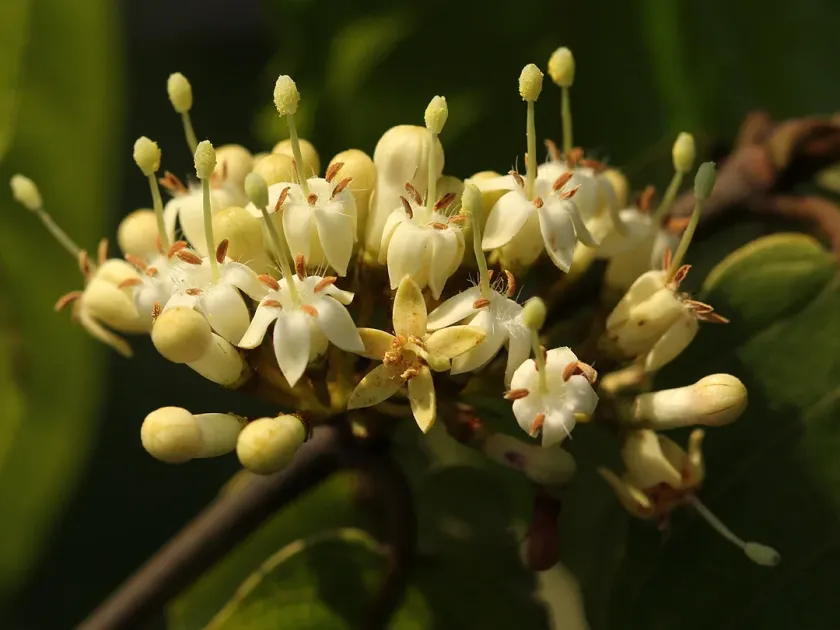
Description
Growing requirements
Keetia gueinzii is a distinct woody plant belonging to the Rubiaceae family, native to tropical and subtropical forests across sub-Saharan Africa. It is often characterized by its scandent growth habit, functioning as a climbing shrub within its habitat.
This species demands specific environmental conditions, primarily high ambient humidity and warm temperatures, typically between 20°C and 28°C. It is strictly sensitive to frost, which limits its outdoor cultivation to tropical or subtropical zones.
Soil requirements involve well-draining, nutrient-rich substrates. A loam-based mix enriched with organic compost is ideal for maintaining the necessary pH balance, which should remain slightly acidic to neutral for optimal nutrient uptake.
Water management is critical; the root zone needs to be consistently moist but never waterlogged. Overwatering can quickly lead to root decay, while prolonged drought can cause significant leaf shedding.
Regarding light, the species prefers filtered or indirect sunlight. Exposure to harsh, direct sunlight often causes chlorosis or leaf burn, necessitating the use of shade cloth in artificial cultivation environments.
Main diseases and pests
The primary agricultural threats to Keetia gueinzii are fungal pathogens, including various leaf spot diseases that thrive in high-humidity conditions with poor airflow.
Insect pests, specifically sap-sucking species such as spider mites, aphids, and scale insects, pose a significant risk by weakening the plant and facilitating viral infections.
Root rot, often caused by Phytophthora or Pythium species due to waterlogged substrate, represents a major physiological threat in greenhouse settings.
Effective management includes maintaining proper ventilation, sanitizing equipment, and implementing an integrated pest management (IPM) program to reduce reliance on chemical sprays.
Constant monitoring for early symptoms of pests—such as webs or sticky residues—allows for rapid intervention before significant infestation occurs.