
Keetia cornelia
Keetia cornelia
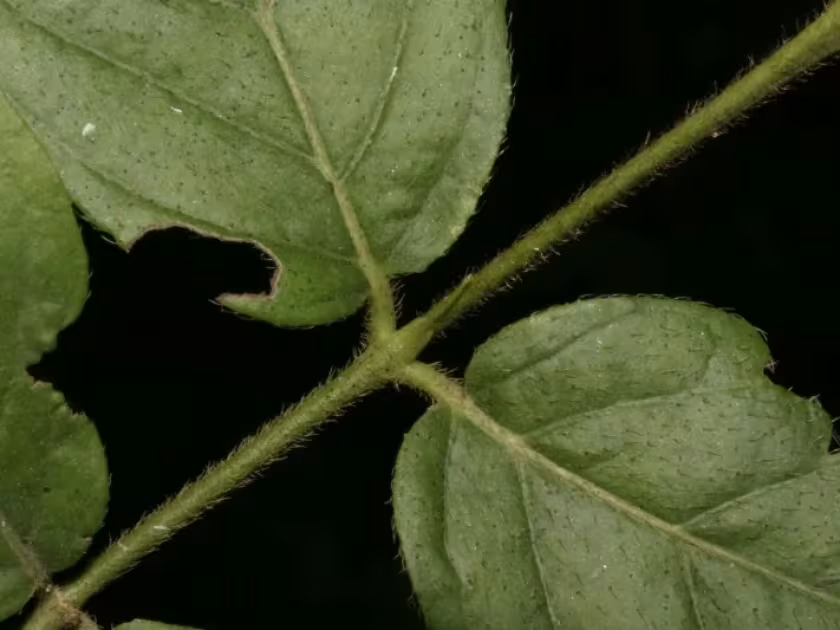
Description
Growing requirements
Keetia cornelia is a species belonging to the Rubiaceae family. This woody plant is native to the tropical regions of Africa, where it typically grows as part of the understory in dense, humid forests.
The cultivation of this plant requires a tropical environment characterized by consistent year-round warmth. It is highly sensitive to cold, and any significant drops in temperature can cause severe physiological stress to the plant.
Soil composition must be rich in organic matter to mimic the natural forest floor conditions. It is essential to provide well-draining soil that prevents waterlogging while ensuring the root system receives adequate moisture for steady growth.
Light management is crucial, as Keetia cornelia is adapted to the shade of larger canopy trees. In an agricultural or horticultural setting, filtered light or partial shade is required to prevent leaf scorch and ensure optimal photosynthesis.
Agronomic practices should focus on maintaining high humidity levels. Regular watering cycles are necessary to keep the soil consistently moist, and the use of organic mulch is recommended to preserve soil moisture and improve overall fertility.
Harvesting
In terms of economic use, Keetia cornelia is primarily utilized on a local scale within its native range. The fruits are occasionally collected for consumption, representing a traditional food source for local communities.
The harvest period is determined by the maturation of the fruit, which often requires careful monitoring to ensure optimal ripeness. Future agricultural interest depends on a deeper understanding of the plant's phytochemical profile and potential commercial applications.