
Kappaphycus
Kappaphycus
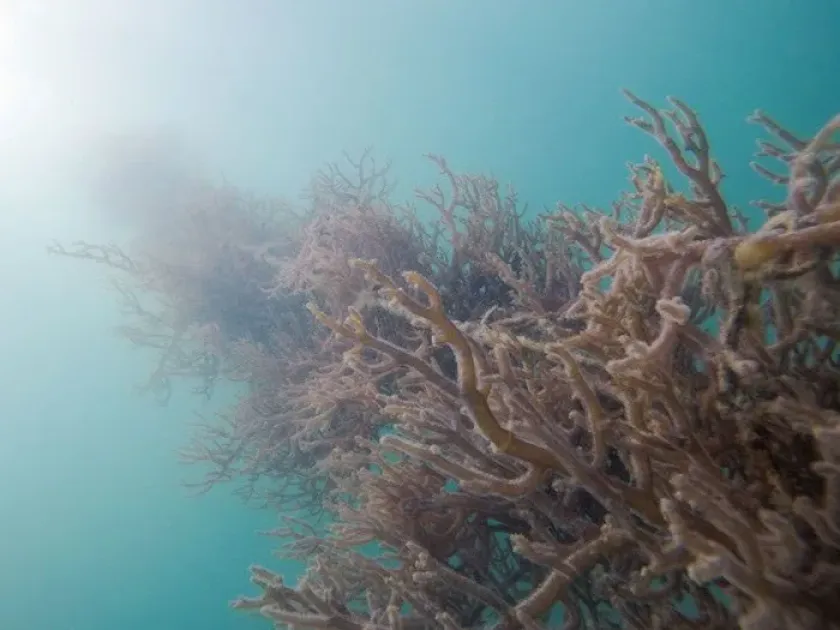
Description
Sowing dates
Planting Kappaphycus does not involve traditional sowing, as it is a macroalgae propagated vegetatively. The process of establishing a plantation begins by cutting pieces of 'seed' thallus weighing approximately 50–150 grams.
These fragments are securely tied to synthetic ropes or lines using plastic ties. The distance between the nodes with cuttings is typically 20 to 30 centimeters, which ensures optimal water circulation and access to sunlight.
Plantations are formed in shallow lagoons or coastal zones with flowing water. The ideal start time for the cycle depends on the monsoon season and the hydrological regime of the specific region, as it is important to avoid periods of high sea turbulence.
Using the vegetative method allows for rapid scaling of crops without the need for laboratory spore germination. When fixed correctly, the cuttings quickly adapt to the substrate and begin active growth.
The annual cultivation cycle can include multiple rotations, as the growth rate of Kappaphycus is extremely high. In tropical latitudes, commercial cultivation is conducted year-round, provided weather conditions allow.
Growing requirements
Kappaphycus belongs to the Solieriaceae family and is a red seaweed that requires specific conditions for intense photosynthesis. The primary factor is water temperature, which should remain stable in the range of 25 to 30 degrees Celsius.
The seaweed is highly sensitive to the salinity of seawater: ideal indicators range from 30 to 35 parts per thousand. Too low salinity, which can occur near river mouths during the rainy season, can lead to depigmentation and plant death.
Light intensity plays a critical role, so plantations are placed at a depth of 0.5 to 2 meters. Excessive water turbidity caused by suspended particles suppresses growth, so selecting a site with clear water is crucial.
Water quality requirements include high current intensity, which delivers minerals and removes metabolic waste. Stagnant zones are absolutely unsuitable for the commercial cultivation of this crop.
The seabed must be stable, sandy or sandy-silty, to ensure secure anchoring of support structures. It is also necessary to exclude locations with sharp temperature fluctuations and high concentrations of industrial pollutants.
Yield
The biological productivity of Kappaphycus is considered one of the highest among all marine crops. Under favorable conditions, the biomass of the seaweed can double every 15–30 days, providing excellent yield indicators.
The average yield per hectare using intensive farming methods reaches 30–50 tons of dry matter per year. These indicators depend directly on planting density and the regularity of cleaning plantations from epiphytes.
To maximize yields, farmers regularly monitor the growth rate of individual clones. Choosing the fastest-growing varieties allows for a significant increase in the final output per unit area.
The total volume of harvested biomass also depends on seasonal changes in sunlight intensity. During periods of maximum insolation, the cell division rate accelerates, ensuring peak harvest values.
The economic efficiency of production is determined not only by the weight of raw biomass but also by the carrageenan yield. The content of this polysaccharide can vary depending on environmental conditions and the plant's age at harvest.
Main diseases and pests
The main biological threat to plantations is the "ice-ice" disease, which manifests as whitening and subsequent tissue decay. This disease is often triggered by sudden increases in water temperature or heavy rainfall.
Herbivorous fish and sea urchins can cause significant damage to the crop by eating young shoots. To protect plantations, farmers use special protective nets surrounding the farming areas.
Fouling by other seaweed species (epiphytes) creates competition for nutrients and light. Regular cleaning of lines and removing weed species is a mandatory agricultural measure.
Strong storms and typhoons pose a serious physical risk to farm infrastructure. Natural disasters can completely destroy a plantation by detaching the seaweed from the substrate and damaging anchoring systems.
Biological pests, such as small crustaceans, can also damage the thallus structure, making plants more susceptible to pathogenic infections. Strict sanitary control of incoming seed material is essential.
Harvesting
Harvesting Kappaphycus is done manually, making this industry labor-intensive but accessible to local populations in coastal regions. Farmers cut large fragments of the seaweed, leaving some biomass on the ropes for further growth.
The optimal harvest cycle usually occurs 45–60 days after planting the cuttings. At this point, the seaweed reaches its maximum size and highest quality for subsequent processing.
The harvested crop is washed with seawater to remove sand, debris, and small marine organisms. This is critical, as impurities reduce the quality of the final product — carrageenan.
After washing, the seaweed is subjected to mandatory sun-drying for several days. It is important to ensure uniform drying to a moisture level of no more than 30–35 percent to prevent spoilage during storage.
Dried raw material is baled and sent to factories for carrageenan extraction. Proper drying and adherence to storage conditions allow for the long-term preservation of the chemical properties of the polysaccharides.