
Kandelia candel
Kandelia candel
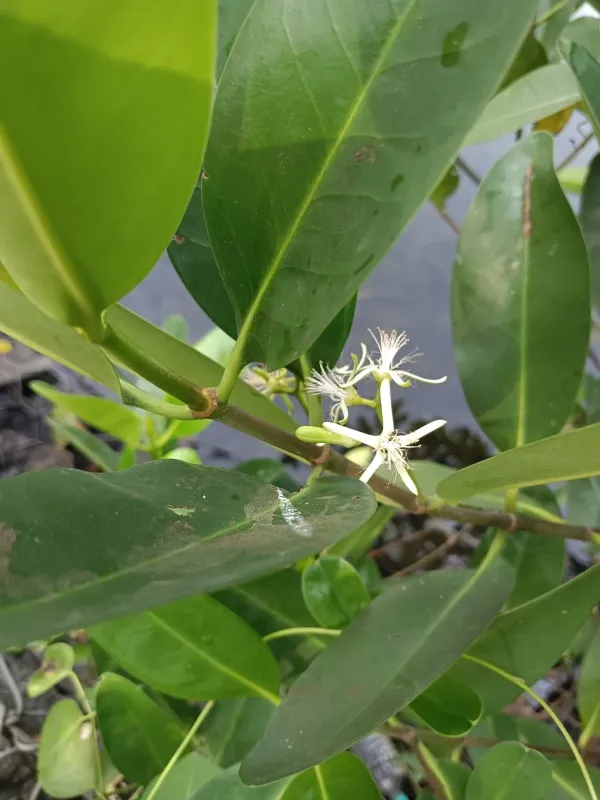
Description
Growing requirements
Kandelia candel is a prominent mangrove species belonging to the family Rhizophoraceae. It is a hardy, evergreen plant that thrives in the intertidal zones of estuaries and tropical coastlines throughout Southeast and East Asia.
The plant is distinguished by its unique ability to thrive in waterlogged, anaerobic saline soils. It utilizes specialized root systems, including aerial roots, to facilitate gas exchange while anchored in the shifting mud of tidal flats.
Ecologically, the species is vital for coastal defense. Its dense root network stabilizes sediments, effectively preventing soil erosion and buffering the impact of storm surges and strong wave action in coastal areas.
Regarding cultivation requirements, Kandelia candel needs a warm, humid climate and a constant water supply from tidal regimes. It is highly adapted to varying salinity levels, which allows it to flourish where many other plant species fail to survive.
In terms of agricultural and environmental usage, the plant is extensively used in reforestation programs aimed at restoring mangrove ecosystems. The bark of the tree is also historically harvested for its high tannin content, used in tanning processes.
Main diseases and pests
The main threats to this species involve rapid habitat loss due to land reclamation for shrimp farming and urban infrastructure development. Pollution from industrial runoff also negatively impacts the health of mangrove stands.
Biological threats include various wood-boring insects and crustaceans that target seedlings and young trees, alongside fungal pathogens that can proliferate in stagnant, contaminated water, causing root rot.