
Sheep's-bit
Jasione montana
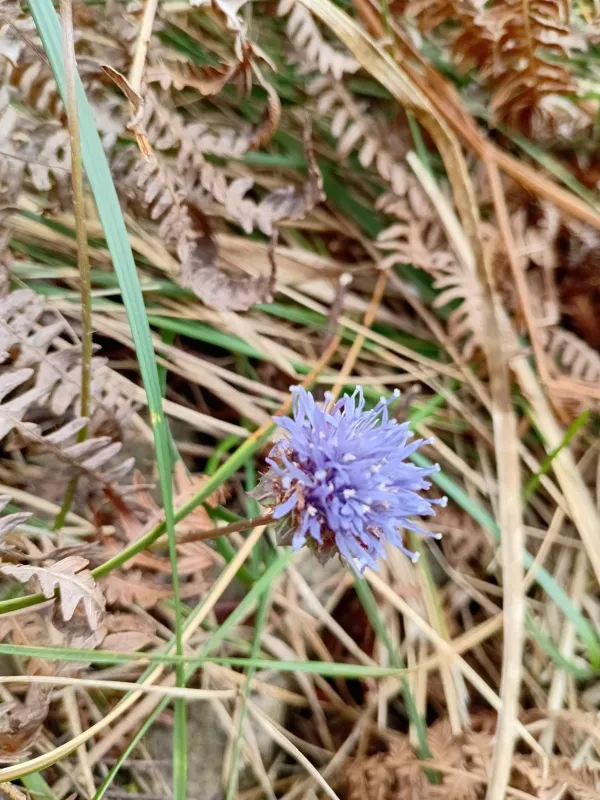
Description
Sowing dates
Sheep's-bit is typically propagated from seed, which can be sown directly in open ground during autumn or early spring once the soil warms up.
The seeds require light for germination, so they should be sown on the surface and only lightly pressed into the soil rather than buried deeply.
For commercial cultivation, row sowing is recommended to maintain sufficient spacing between plants, ensuring adequate air circulation during growth.
Germination is usually reliable; however, the plant focuses its energy on developing a basal leaf rosette throughout its first year.
Mass flowering generally occurs in the second year, providing a consistent source of nectar throughout the summer season.
Growing requirements
Belonging to the Campanulaceae family, this plant is exceptionally well-adapted to poor, sandy, and well-draining soil types.
It thrives in sunny locations and can withstand periods of dryness, making it an excellent choice for stabilizing degraded agricultural land.
The species is highly hardy, capable of surviving harsh winters in temperate climates without requiring additional insulation or protective measures.
Soil pH levels ranging from slightly acidic to neutral are ideal for maintaining vigorous growth and flower production.
It requires minimal fertilizer input, as its native evolutionary adaptation allows it to prosper in nutrient-deficient environments.
Main diseases and pests
The primary threats to the crop include fungal diseases such as powdery mildew, often occurring in environments with high humidity or poor air flow.
Pests such as aphids or certain leaf-eating larvae may occasionaly feed on the foliage, although rarely reaching infestation levels.
Root rot is a potential risk if the soil remains waterlogged for extended periods, necessitating the use of well-drained field sites.
Preventative measures include crop rotation and ensuring that weeds do not compete with the developing plants for resources.
Due to its biological resilience, the plant rarely requires chemical intervention, making it suitable for organic or low-input farming systems.
Harvesting
Harvesting for seed collection should be performed when the flower heads turn brown and become brittle to ensure maturity.
It is crucial to time the harvest accurately to prevent seed loss due to dispersal from windy conditions or mechanical vibrations.
After collection, the plant material should be dried in a ventilated area, followed by threshing and sieving to separate seeds from debris.
When grown for ecological or pollinator support, the harvest phase involves managing the cutting schedule to favor seed maturation.
Seeds should be cleaned and stored in a cool, dry place to maintain viability for future planting seasons.