
Jacobinia macrantha
Jacobinia macrantha
Description
Growing requirements
Jacobinia macrantha is a striking evergreen shrub belonging to the Acanthaceae family. Originating from the tropical regions of South America, this plant is well-known for its lush foliage and vibrant flowers, making it a popular subject for botanical collections.
The plant thrives in temperatures ranging from 20 to 25 degrees Celsius and requires high humidity levels to mimic its natural rainforest habitat. It is essential to protect the shrub from cold drafts and direct, scorching sunlight which can damage the leaves.
For cultivation, a well-draining potting medium is crucial. A mix consisting of peat moss, perlite, and high-quality potting soil provides the necessary structural stability and aeration required to keep the root system healthy and productive throughout the growing cycle.
Watering should be managed consistently to ensure the soil remains moist but not waterlogged. During the peak blooming season, the application of a balanced liquid fertilizer every two to three weeks will significantly enhance the size and intensity of the flower spikes.
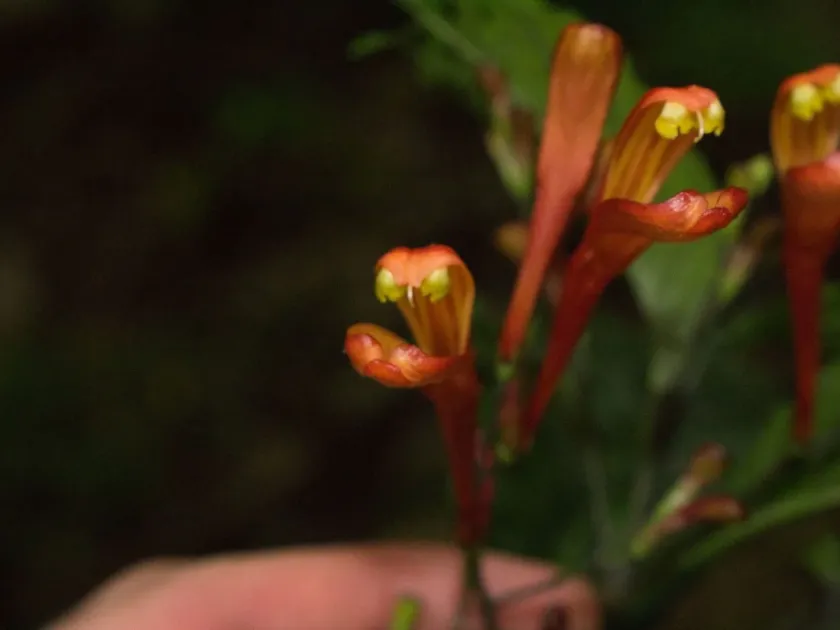
The botanical structure of the plant features opposite leaves with prominent veins and tubular flowers that bloom in clusters. Regular pruning after the flowering period is recommended to maintain a bushy shape and to encourage the growth of new, vigorous stems for the next season.
Main diseases and pests
Common pests associated with Jacobinia macrantha include spider mites and mealybugs, which often appear when the plant is kept in dry, stagnant air. Routine cleaning of the leaves and maintaining appropriate humidity levels serve as primary preventative measures.
Fungal issues, such as root rot or leaf spot, can occur if the plant is overwatered or if drainage is insufficient. To mitigate these risks, it is advisable to ensure that pots have adequate holes and that water does not remain in the decorative saucer underneath the container.