
Jacobinia chrysostephana
Jacobinia chrysostephana
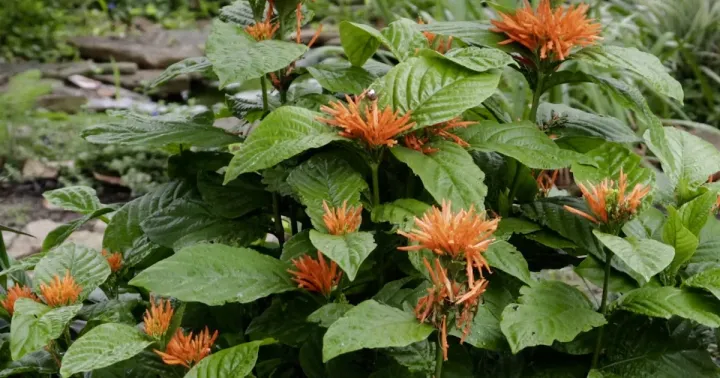
Description
Sowing dates
Jacobinia chrysostephana is a perennial evergreen subshrub belonging to the Acanthaceae family. In agricultural and ornamental practices, the propagation of this species is most commonly carried out through vegetative methods, specifically cuttings.
The optimal time for rooting cuttings is during the spring and summer months when daylight hours are at their peak. The temperature of the substrate for successful root formation should be maintained between 22 and 25 degrees Celsius.
For planting, light and well-aerated soil mixtures with added peat and sand are used to prevent water stagnation. Cuttings are planted in individual pots with a drainage layer, ensuring high humidity to prevent the young shoots from wilting.
Seed propagation is less common as it requires strict temperature control and high light levels. Sowing is performed in loose substrate using a surface method, covering the containers with glass or plastic to create a mini-greenhouse effect.
This crop requires regular repotting, which should be done in the spring as the root system fills the pot. The root system of the Jacobinia is quite sensitive, so the transfer method is preferred to minimize stress on the plant.
Growing requirements
Originating from the tropical forests of Mexico, Jacobinia has high climate demands. It requires warm conditions throughout the year, with temperatures never dropping below 16 degrees Celsius, even during the winter dormancy period.
The plant is light-loving but sensitive to direct sunlight, which can cause leaf scorch. The ideal location is a window facing east or west with intense but diffused light.
High air humidity is required, with levels ideally between 60% and 70%. In rooms with dry air, it is recommended to mist the foliage regularly or use an air humidifier to prevent the tips of the leaves from drying out.
The soil must be fertile with a slightly acidic pH. An optimal substrate consists of turf soil, leaf mold, and coarse sand in a 2:2:1 ratio, ensuring necessary nutrient content and proper physical structure.
Watering should be moderate but regular: the top layer of the substrate should dry out between waterings. Overwatering leads to root collar rot and the development of fungal infections in the plant.
Main diseases and pests
The main pests damaging Jacobinia in indoor conditions are spider mites and whiteflies. They multiply rapidly under conditions of low air humidity and high indoor temperatures.
Modern acaricides are used against spider mites, with careful application to the underside of the leaves. Preventing infestations involves regular room ventilation and maintaining high humidity around the bush.
Disruption of the watering schedule and poor root aeration can lead to powdery mildew or various forms of root rot. Systemic fungicides with a broad spectrum of action are used to control these fungal diseases.
Aphids can infest young inflorescences, sucking sap and inhibiting the plant's overall development. Upon detecting the first individuals, the plant should be treated with pyrethroid-based insecticides or biological agents.
Sanitation is a vital part of protection: remove dead leaves and regularly clean the plants of dust. A healthy plant with a strong immune system is far less likely to be attacked by pests or affected by pathogens.