
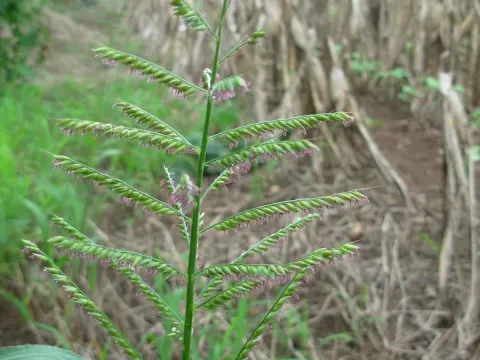
Ixophorus
Ixophorus
Ixophorus (Ixophorus unisetus) is primarily sown during the spring period when the soil warms up to 15-18 degrees Celsius, ensuring rapid seed germination.
What the section contains

Ixophorus
For high-quality establishment, the crop requires stable soil moisture at the seeding depth, which typically ranges from 1.5 to 3 centimeters depending on soil type.
The seeding rate is calculated based on the germination rate of the specific batch, with both solid row planting and wide-row sowing methods used for seed production.
In regions with long growing seasons, overseeding the crop into existing pastures is possible, though it requires careful management of competition with established plant species.
Optimal sowing times must be aligned with the onset of the rainy season, as the crop is highly demanding of available moisture during the early seedling development phase.
Ixophorus belongs to the Poaceae family and is a heat-loving plant that prefers tropical and subtropical climate zones with plenty of sunlight.
The plant demonstrates high adaptability to various soil types, including clay and loams, but develops most productively on well-drained, fertile plots.
The crop possesses high resistance to temporary excess soil moisture, making it suitable for areas prone to brief water stagnation after heavy rainfall.
An important requirement for growth conditions is the absence of severe frost, as Ixophorus is sensitive to low temperatures and quickly stops growing during cold snaps.
To maintain high vegetative mass productivity, nitrogen fertilizer application is recommended, especially after each mowing or intensive grazing cycle.
The yield of Ixophorus green mass depends directly on the intensity of agronomic practices and moisture availability during the active shoot growth period.
Under optimal cultivation conditions, the crop is capable of providing multiple cuts per growing season, ensuring high productivity per unit area.
A significant portion of potential yield comes from regrowth, which recovers quickly after moderate grazing or mechanical harvesting.
The nutritional value of the plant remains high if harvested before the flowering phase, allowing farmers to balance quantity and quality of the forage resource.
The use of modern irrigation methods during dry periods can increase total biomass production by 2–3 times compared to rain-fed cultivation conditions.
Major threats to the crop are associated with fungal diseases that develop in conditions of high humidity and poor air circulation within the dense canopy.
Pests typical of tropical grasses, such as leaf miners and various caterpillar species, can cause significant damage to the leaf area early in the season.
Root rots are the most dangerous diseases, often occurring when drainage is compromised or heavy soils become excessively waterlogged.
To control pests, crop rotation and timely treatment of fields with approved insecticides are recommended if economic damage thresholds are exceeded.
An important element of phytosanitary control is keeping fields free from weeds, which can act as intermediate hosts for many pathogens.
Harvesting Ixophorus for hay or green fodder is conducted during the heading phase, when the plant contains the maximum concentration of nutrients and easily digestible fiber.
The cutting height during mechanical harvesting should be at least 5–7 centimeters to ensure the rapid regrowth of the subsequent layer.
When preparing hay, intensive turning of the mown mass is required, as the stems and leaves of Ixophorus have high water retention and require prolonged drying.
For seed production, harvesting is performed upon full maturity of the inflorescences to prevent the shattering of seeds, which are small and easily dispersed by wind.
Storage of the harvested fodder must be conducted under controlled humidity conditions to prevent mold development and loss of nutritional value.