
Ixophorus unisetus
Ixophorus unisetus (J. Presl) Schltdl.
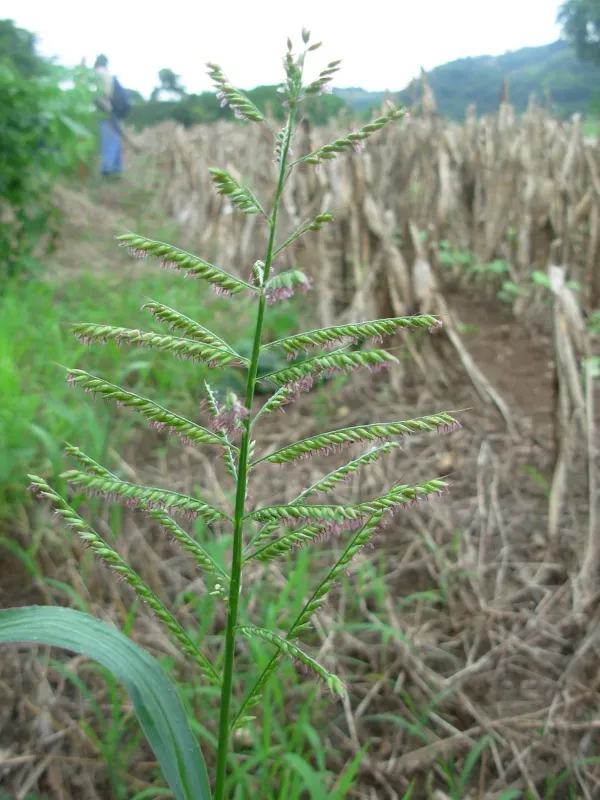
Description
Sowing dates
Sowing Ixophorus unisetus is best performed during the spring season when soil temperatures are consistently high. The seeds require warmth, typically between 20 and 25 degrees Celsius, to germinate effectively.
Seeds should be sown in rows spaced approximately 30 to 45 centimeters apart. This spacing allows the grass to tiller properly and establish a healthy, uniform stand capable of suppressing weeds.
The planting depth should be shallow, generally between 2 and 3 centimeters. Proper seed-to-soil contact is essential for uniform emergence, often achieved by light rolling after seeding.
The seeding rate is determined by the quality of the seeds and moisture conditions, usually ranging from 5 to 10 kilograms per hectare to ensure optimal plant density.
Early-stage weed control is critical. Since the plant exhibits slow initial growth, maintaining a clean field during the first few weeks is vital for successful establishment.
Growing requirements
Ixophorus unisetus is a member of the Poaceae family, natively adapted to tropical and subtropical climates. It thrives in regions with long growing seasons and high temperatures.
The crop prefers fertile, well-drained loam soils. It shows high productivity on soils with a pH ranging between 5.5 and 7.0, while saline or highly alkaline soils should be avoided.
Moisture is a key factor; while the grass shows some resilience to minor dry spells, it reaches its maximum biomass potential under consistent soil moisture and regular rainfall.
As a light-demanding species, it should not be planted in shaded areas. Exposure to direct sunlight is necessary for maintaining rapid metabolic rates and healthy vegetative growth.
The plant responds very positively to nitrogen-based fertilization. Applying nutrients during the tillering phase significantly boosts the production of green forage and leaf density.
Yield
The high yield of green biomass is the primary reason for cultivating this grass as a fodder crop. In suitable tropical conditions, it can provide multiple cuts per growing season.
Proper agronomic management, including timely irrigation and fertilization, ensures that the yield remains consistently high, making it a reliable component of the livestock feed base.
The nutritional value is optimal when harvested during the vegetative stage before flowering. During this period, the protein content and digestibility are at their peak for cattle.
Ixophorus unisetus is also suitable for grazing purposes, showing a good capacity to regenerate after being grazed down, provided the stocking rate is well-managed.
Productivity remains stable over several years, making it an economically viable choice for pastures and cut-and-carry fodder systems in tropical agriculture.
Main diseases and pests
The crop is relatively hardy, but it can be susceptible to fungal diseases under conditions of high humidity, poor air circulation, or overcrowding in the field.
Soil-dwelling pests, such as grubs or larvae, pose a threat to the root system during the early stages, potentially leading to sparse stands if not monitored.
Aphids and other sucking insects may appear during certain seasons, which can weaken the plants and lead to stunted growth if the infestation is significant.
Integrated pest management, including crop rotation and the destruction of nearby weed hosts, is the most effective approach to mitigating these threats without excessive pesticide use.
Disease prevention also relies on selecting high-quality, treated seed and ensuring optimal field sanitation to prevent the spread of pathogens between growing seasons.
Harvesting
Harvesting for fodder should be timed just before the plant enters the reproductive phase, ensuring the highest concentration of nutrients in the foliage.
When producing hay, effective drying techniques are necessary because the stems of this plant retain moisture longer than many other grass species.
The crop is well-suited for ensiling. It ferments efficiently when chopped and compressed correctly, providing high-quality fermented feed for livestock storage.
Mechanical harvesting should be done at a moderate height, typically 5 to 7 centimeters above the ground, to encourage rapid regrowth from the base of the plant.
Seed harvesting occurs once the panicles change color. Timely collection is essential to minimize grain shattering losses and to ensure high germination rates for future planting.